




Alibaba vs 1688: Which Platform is Better for International Buyers?
1. Introduction: Navigating the Sourcing Crossroads For every international buyer looking to source products from China, a critical question eventually arises: Alibaba vs 1688, which platform is the right choice for my business? One is a global B2B giant, optimized for English-speaking importers and backed by buyer protection programs. The other is China’s domestic wholesale powerhouse, offering factory-direct prices but requiring navigation of a Chinese-language interface and complex logistics. This isn’t just a question of price; it’s a fundamental decision that balances cost against convenience, and safety against complexity. In this comprehensive guide, we cut through the confusion to provide a clear, detailed comparison of Alibaba for international buyers and 1688 for wholesale, empowering you to make an informed decision that aligns with your business goals, risk tolerance, and operational capacity. 2. Alibaba vs 1688: A Quick Overview of Two Giants Navigating the world of Chinese B2B sourcing requires understanding the distinct roles of its two largest platforms. While both operate under the Alibaba Group, they are designed for entirely different audiences and operational scales. The core of the Alibaba vs 1688 debate hinges on one platform looking outward to the world and the other looking inward to China’s massive

How to Buy from DHgate: Step-by-Step Guide for Wholesale Orders
Introduction: Is DHgate the Right Platform for Your Wholesale Needs? Navigating the world of global wholesale sourcing requires a platform that is both vast and secure. DHgate stands out as a leading B2B e-commerce marketplace, directly connecting international businesses with a massive network of Chinese manufacturers and wholesalers. For entrepreneurs and established brands alike, it offers a compelling proposition: direct factory access that cuts out middlemen, competitive pricing with low minimum order quantities (MOQs), and a staggering selection of over 225 million products. While the platform provides a legitimate and secure framework—including a vital escrow payment system that protects your funds until you confirm satisfaction—a successful experience hinges on your own due diligence. By learning how to buy from DHgate strategically, you can confidently leverage this powerful DHgate wholesale marketplace to streamline your supply chain, reduce costs, and unlock new growth opportunities for your business. 1. Your First Step: Setting Up a Secure DHgate Account Before you start sourcing products, setting up a secure DHgate account is essential. This foundational step ensures that your business information, financial details, and transactions are protected. Let’s walk through the process. 1.1 How to Create Your Buyer Profile for Business Creating a DHgate buyer

Made in PRC vs Made in China: Is There Any Difference?
In the world of international trade, labels are more than just markers of origin—they convey a wealth of information about a product, its quality, and the trustworthiness of the manufacturer. One of the most common yet frequently misunderstood labels is “Made in China”. However, an alternative designation, “Made in PRC”, has also made its way into global markets. But what do these terms really mean? Are they interchangeable, or is there a deeper significance behind the use of “Made in PRC” versus “Made in China“? In this blog, we will explore the key differences between these two labels, delve into their historical context, and examine how they impact consumer perceptions, particularly in Western markets. Whether you’re an importer, a supplier, or a consumer, understanding the distinction between Made in PRC vs Made in China can help you navigate global markets more effectively and make better-informed decisions. Let’s dive in and uncover what these labels truly signify for the products that shape the global economy. 1. What Does “Made in PRC” Mean? 1.1 Exploring the Origin and Meaning of PRC “Made in PRC” refers to products manufactured in the People’s Republic of China, commonly known as China. The term “PRC” is

Best China Wholesale Platforms for Global Buyers: A Complete Guide
In today’s global marketplace, sourcing high-quality products at competitive prices is more important than ever. For international buyers, China wholesale platforms have emerged as the ultimate solution, connecting businesses directly with verified suppliers and manufacturers across a vast range of industries. From electronics and fashion to home goods and industrial equipment, these platforms provide a streamlined approach to bulk purchasing, product customization, and international shipping. Whether you’re a small e-commerce entrepreneur or a large distributor, understanding how to navigate these platforms can save time, reduce costs, and ensure consistent product quality. In this guide, we explore the best China wholesale platforms, share insider tips on supplier verification, logistics, negotiation strategies, and highlight how to leverage these platforms for long-term success in global sourcing. 1.What Makes China Wholesale Platforms So Popular Among Global Buyers 1.1 The Rise of China as the Global Manufacturing Hub Over the past two decades, China has become the undisputed leader in global manufacturing. From electronics to textiles, nearly every product category finds its source in the country’s expansive production network. This rise has been reinforced by the growth of China wholesale platforms, which connect international buyers directly with manufacturers, streamlining procurement processes that once required middlemen
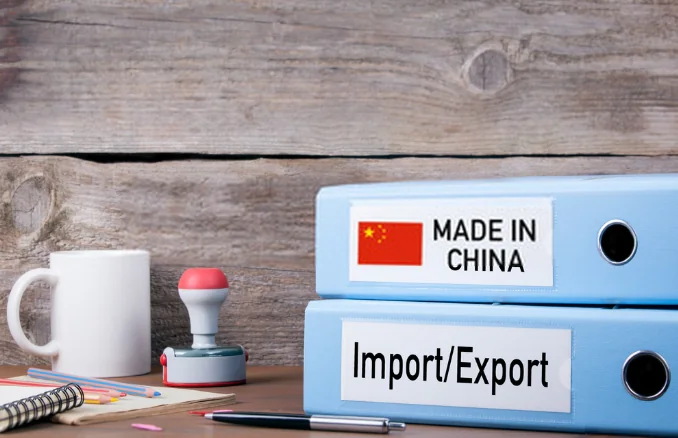
The Ultimate Guide to Sourcing Products from China for Wholesale and Private Label
Sourcing products from China has become one of the most effective ways for wholesale businesses and private label brands to grow. From small startups to global retailers, companies around the world rely on China’s manufacturing strength to access competitive prices, vast product variety, and scalable production. However, finding success is not as simple as placing an order online. The process involves supplier research, price negotiation, quality assurance, logistics planning, and risk management. Without the right knowledge or reliable partners, you can face delays, unexpected costs, or poor-quality goods that damage your brand reputation. That’s why understanding the full sourcing process—step by step—is essential. In this guide, you will learn how to identify trustworthy suppliers, negotiate favorable terms, maintain strict quality control, and manage international shipping efficiently. Whether you are completely new to China wholesale or already importing but want better results, this resource will help you build a profitable, sustainable sourcing strategy. 1. Why Sourcing Products from China Makes Sense Over the past two decades, China has developed advanced manufacturing capabilities across almost every industry. Whether you need kitchenware, drinkware, lunch boxes, or seasonal items, Chinese suppliers can meet your demand at scale. If done correctly, sourcing products from China

7 Tips to Find the Best Artificial Plant Supplier in China
Finding a trustworthy artificial plant supplier in China can be challenging, especially for new importers. With thousands of factories and trading companies offering similar products, it’s easy to get overwhelmed. Choosing the wrong supplier can lead to poor product quality, delivery delays, and wasted money. If you want to grow your business in the artificial plant market, selecting the right supplier is the first and most important step. In this guide, we share 7 practical tips to help you find the best artificial plant supplier in China. From checking licenses and product certifications to comparing samples and verifying shipping support, these tips cover every step of the sourcing process. Whether you’re sourcing artificial trees, faux potted plants, or greenery walls, this guide will help you avoid common mistakes and choose a supplier who can meet your quality and business needs. 1. Know What Defines a Good Artificial Plant Supplier 1.1 Check License and Export Records Before you trust any artificial plant supplier, confirm they hold a valid business license. This ensures the company is officially registered and authorized to operate. Many suppliers in China serve both domestic and international markets, but not all of them are qualified to handle export
Home Decor Materials Explained: What Importers Should Really Know
Introduction In the wholesale home decor business, design alone is never enough. Behind every vase, wall art piece, or decorative tray, the material determines the real value of the product. It affects cost, durability, shipping safety, compliance, and ultimately your profit margin. Many B2B buyers focus heavily on style and trend. However, experienced importers understand that material selection plays a much bigger role in long-term success. The same home decor design can vary greatly in price and market positioning depending on whether it is made from wood, resin, ceramic, metal, or glass. If you are sourcing wholesale home decor from China or other Asian markets, understanding materials is not optional. It is a key step in reducing risk, controlling quality, and protecting your brand reputation. In this guide, we will explain the most common home decor materials and what B2B buyers should pay attention to before placing bulk orders. 1. Why Material Selection Matters in Home Decor Business In the home decor industry, material choice is not just a production decision. It is a business decision. For B2B buyers, material directly influences pricing strategy, order planning, logistics cost, compliance risk, and retail positioning. • Pricing structure First, material determines the
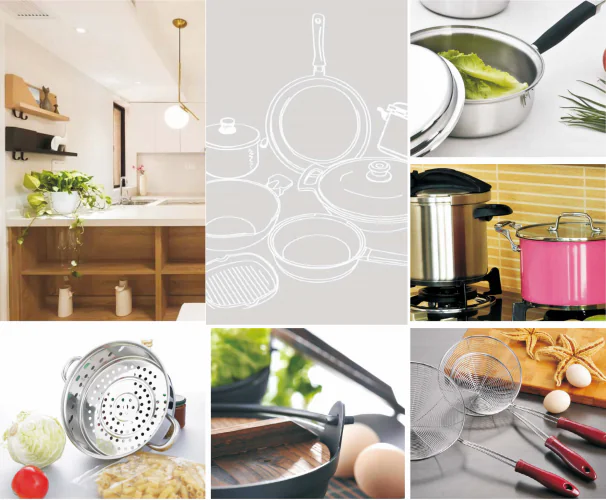
Top 10 Kitchenware Brands and What Buyers Should Know Before Sourcing
The global kitchenware market is becoming increasingly competitive as consumer expectations rise in terms of product durability, safety, sustainability, and design. For importers, retailers, and distributors, choosing the right sourcing strategy is no longer just about finding the lowest price. It is about balancing quality, compliance, branding, and long-term scalability. When evaluating top kitchenware brands, working with experienced kitchenware manufacturers, or cooperating with reliable kitchenware wholesale suppliers, buyers must understand their own market positioning. Some businesses focus on distributing well-known global kitchenware brands, while others prefer building higher-margin businesses through private label kitchenware. Effective kitchenware sourcing requires careful supplier evaluation, factory audits, certification checks, and strategic cost planning. In the following sections, we explore major brands and outline practical sourcing strategies that wholesale buyers should consider. 1. What Defines the Top Kitchenware Brands in the Global Market? The strongest top kitchenware brands share several consistent characteristics: superior product quality, manufacturing reliability, brand credibility, and innovation capability. However, buyers must understand that brand recognition does not always equal manufacturing ownership. Many global brands outsource production to professional kitchenware manufacturers, particularly in Asia. One defining factor is product consistency. Leading global kitchenware brands maintain strict quality control standards across all production batches.
How to Source Safe Educational and STEM Toys from China
1. What Defines Educational and STEM Toys? Educational vs STEM: the real difference Focus Educational Toys STEM Toys Core purpose Support early learning and development Teach science, logic, and problem-solving Learning style Broad and age-based Structured and outcome-driven Typical users Preschool & early learners School-age children and above Educational toys focus on how children learn. STEM toys focus on what children learn and how they apply it. Learning function vs pure entertainment Not every fun toy is an educational toy. Educational and STEM toys must deliver clear learning value, not just play value. If the learning purpose cannot be explained in a simple sentence, the product is usually entertainment-first rather than education-first. Why “STEM” labeling alone is not enough Many products use “STEM” as a marketing label without a real learning structure behind it. For buyers, the key question is not how the toy is labeled, but: If the answer is unclear, the product is likely STEM in name only. 2. Why Sourcing Educational & STEM Toys Involves Higher Risk 2.1 Child safety is a brand responsibility Educational and STEM toys are designed for children to use repeatedly, often in learning environments. This makes safety issues more visible and less
Children’s Day Products Sourcing: Guide for Global Buyers 2026
Children’s Day has become more than just a seasonal celebration. For importers, brands, and wholesale buyers, it is a strategic opportunity to test new products, build supplier relationships, and drive long-term sales growth. With global demand rising for safe, creative, and well-designed kids’ products, Children’s Day products sourcing requires more planning than ever. Buyers must consider product safety, supplier reliability, packaging compliance, and delivery timelines—especially when sourcing from China. This guide explains how to source children’s products efficiently and safely, and why working with a China sourcing agent for children’s products can help you stay competitive during peak seasons. 1. Children’s Day Is a Global Opportunity Children’s Day is not limited to one country or one market. It is a global retail opportunity that appears at different times throughout the year, giving buyers multiple chances to plan promotions, test new products, and scale winning items. In Asia, many countries celebrate Children’s Day on June 1st, including China and parts of Southeast Asia. This period often drives strong demand for toys, school supplies, kids drinkware, and small gifts, especially for both online promotions and offline school activities. In Europe, Children’s Day is observed on different dates depending on the country, such as
Wholesale Home Decor Sourcing Guide: Trends, Suppliers & Cost Control
Introduction The global home decor market is undergoing a quiet but significant shift. In recent years, changes in retail formats, rising operating costs, and the acceleration of online sales have pushed major brands to rethink how they source and sell home decor products. IKEA’s store adjustments and evolving retail strategy have drawn attention to these changes, but the real story lies deeper in the supply chain. For wholesale buyers, distributors, and home decor brands, this moment presents both uncertainty and opportunity. Retail restructuring does not signal a decline in manufacturing. Instead, it highlights the growing importance of flexible, cost-efficient, and scalable sourcing models. Wholesale home decor sourcing is no longer just about finding low prices. It is about building a resilient supply chain that can respond quickly to market demand while maintaining consistent quality. This guide explores how global buyers can navigate these shifts. By examining manufacturing trends, supplier selection, and cost control strategies, we aim to provide a practical roadmap for sourcing home decor products from China in today’s changing retail environment. 1. What IKEA’s Manufacturing Model Reveals IKEA’s recent retail adjustments have led many buyers to question whether large-scale home decor manufacturing is changing as well. However, IKEA’s
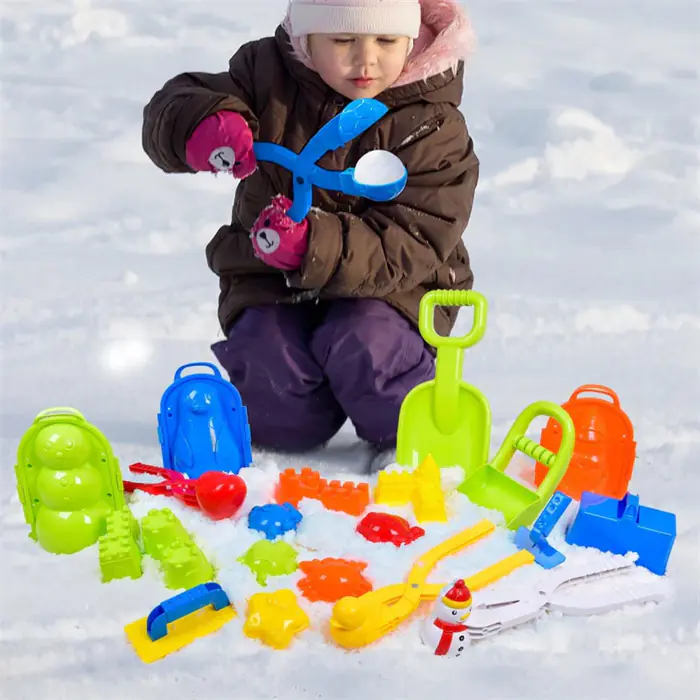
How Did We Help a European Buyer Restock Snowball Maker Toy in Time?
1. Introduction: A Winter Crisis — When Stock Runs Out Before the Snow The most frantic calls in the global sourcing business rarely come during planning phases; they arrive in the midst of a roaring sales season, when every second of delay translates directly into lost revenue. This was precisely the scenario when my phone lit up one crisp November morning. On the line was a long-standing client—a major European retailer—and the tension in his voice was palpable. His words painted a clear picture of a looming commercial disaster: “We are going to sell air for Christmas.” Their hottest seasonal item, the Snowball Maker Toy, was vanishing from shelves and online warehouses at a rate that had obliterated all forecasts. Initial shipments, carefully calculated based on previous years’ data, were depleted in weeks. The traditional replenishment cycle, a comfortable 60-to-90-day journey by sea from factory to European distribution center, had become a countdown to failure. With peak winter demand still ahead and the primary factory in China reporting fully booked production lines until February, the situation was critical. This wasn’t merely a stock shortfall; it was a direct threat to their seasonal profitability and brand credibility with customers expecting the season’s
Yiwu Market Guide 2026: Opening Hours, Locations and District Maps
Yiwu International Trade City is the world’s largest wholesale market for small commodities. The market covers more than 4 million square meters and contains over 75,000 booths across multiple districts. Buyers can source products from thousands of verified suppliers in one location. For most international buyers, the most important questions are: This guide answers all of those questions and includes the latest 2026 market updates. 1. What Is Yiwu Market? Yiwu Market, officially known as Yiwu International Trade City, is the world’s largest wholesale market for small commodities. Located in Futian District, Yiwu, Zhejiang Province, the market covers more than 4 million square meters and contains over 75,000 supplier booths across five main districts. Buyers can source from hundreds of thousands of product lines in a single location, making it one of the most important sourcing hubs in global trade. Unlike traditional wholesale markets that focus on a limited range of products, Yiwu Market brings together suppliers from thousands of industries. From toys and artificial flowers to hardware, kitchenware, textiles, stationery, and home products, buyers can compare multiple suppliers within minutes. This concentration of suppliers helps importers save time, negotiate better prices, and discover new products during a single visit.
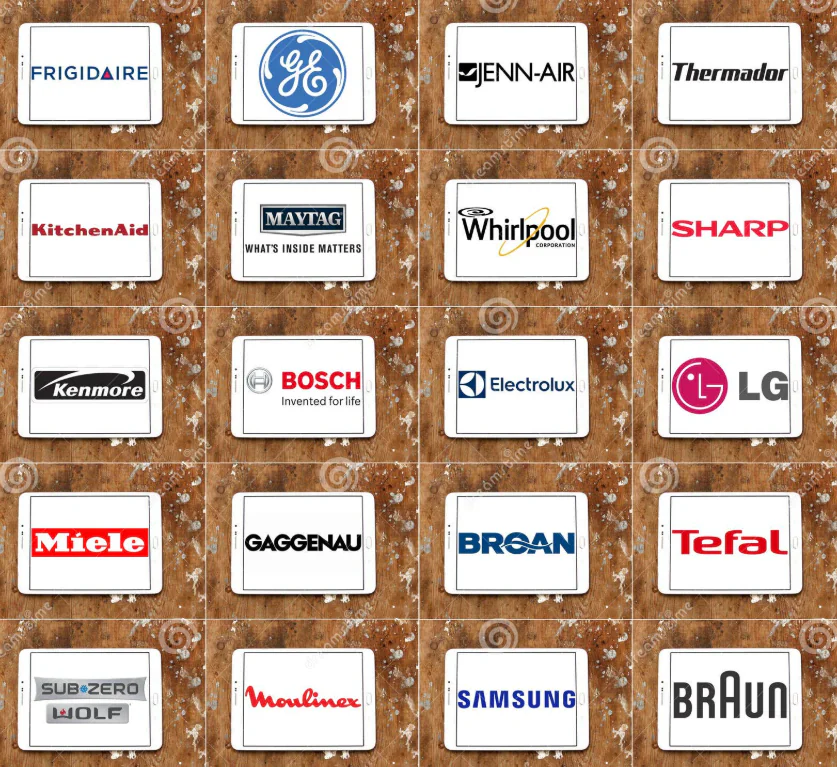
Where Are Popular Kitchenware Brands Made? China vs Europe Explained
The kitchenware industry plays a critical role in global trade, catering to both home cooks and professional chefs. Consumers and importers alike are increasingly curious about where top brands are produced, as it impacts quality, pricing, and brand perception. Understanding kitchenware manufacturing countries, and the advantages of working with a kitchenware OEM manufacturer, can help businesses make informed sourcing decisions. This blog explores the production landscape, comparing kitchenware brands made in China and kitchenware brands made in Europe, and highlights practical tips for importers seeking reliable factories. 1. Global Overview of Popular Kitchenware Brands 1.1 Where Are Kitchenware Brands Made? Popular kitchenware brands are manufactured across multiple regions, including Europe, China, and Southeast Asia. European factories are often associated with premium quality and heritage craftsmanship, while China is known for large-scale, cost-efficient production. Understanding the distribution of kitchenware brands made in China versus Europe helps buyers evaluate price points, quality standards, and lead times. Many brands also use custom kitchenware manufacturing to tailor products for specific markets, leveraging cookware OEM factories for both private label and large-scale production. 1.2 Key Strengths of Major Kitchenware Brands Top kitchenware brands succeed due to a combination of material quality, design innovation, and efficient
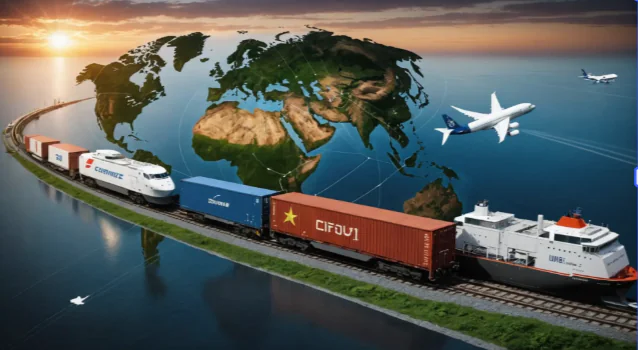
How Much Does It Cost to Ship from China to Europe in 2026?
Shipping goods from China to Europe has become a critical aspect of international trade for businesses of all sizes. Importers looking to source high-quality products and exporters aiming to reach European markets must carefully consider logistics costs to ensure profitability. Understanding the cost to ship from China to Europe in 2026 involves more than just freight charges—it requires evaluating shipping methods, transit times, customs duties, and potential hidden fees. Sea freight from China to Europe remains the most cost-effective option for large shipments, while air freight from China to Europe provides speed at a premium. Rail freight from China to Europe offers a balance between cost and transit time, making it an increasingly attractive choice for medium-sized shipments. Additionally, factors such as shipping routes China to Europe, port congestion, and fuel surcharges can significantly impact costs and delivery times. Proper planning helps businesses anticipate China to Europe cargo cost 2025, manage budgets, and select the most suitable freight forwarders. With accurate knowledge of logistics costs, companies can optimize supply chains, avoid unexpected expenses, and maintain competitiveness in European markets. This blog will guide you through all aspects of shipping from China to Europe, including methods, costs, transit times, customs, and

Complete Guide to Sourcing Wholesale Toys Through a China Agent
Sourcing wholesale toys from China can be both highly rewarding and challenging for international buyers. With thousands of wholesale toy manufacturers and diverse product categories ranging from educational kits to plush toys and novelty items, it is easy to feel overwhelmed by the sheer volume of options. For retailers, e-commerce entrepreneurs, and brand owners, selecting the right suppliers, ensuring quality, and navigating compliance requirements are critical steps to building a profitable toy business. Partnering with a professional China sourcing agent simplifies this process by connecting buyers with reputable toy wholesale suppliers, managing production oversight, and handling compliance documentation. From negotiating pricing and MOQs to overseeing packaging and shipment, sourcing agents provide the expertise necessary to secure high-quality wholesale toys efficiently. This comprehensive guide will explore everything you need to know about sourcing toys through a China agent, including market insights, supplier selection, product trends, safety compliance, and risk management, helping you make informed decisions and grow your business globally. 1. Why Source Wholesale Toys Through a China Agent? 1.1 The Advantages of China’s Massive Toy Manufacturing Ecosystem China remains the global powerhouse for producing wholesale toys, supported by a deeply established industrial supply chain, advanced molding technologies, and regional specialization.
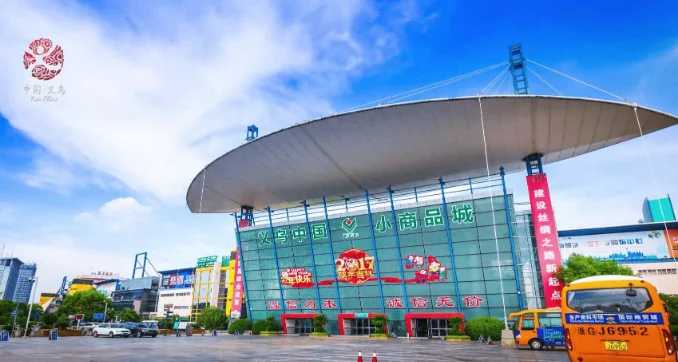
Yiwu Fair Suppliers 2025: How to Source High-Profit Products from the World’s Supermarket
Planning to attend Yiwu Fair 2025? You’re not alone — thousands of global buyers flock to Yiwu each year in search of the next winning product. Whether you’re a first-time visitor or a seasoned importer, smart sourcing strategies can make the difference between wasted time and real business breakthroughs. In this guide, we’ll share practical tips, digital tools, and a final checklist to help you navigate the Yiwu Fair like a pro. From pre-fair preparation to post-fair deal closing, get ready to boost your sourcing efficiency and profits. 1. Why Yiwu Fair Suppliers Matter in 2025 In 2025, sourcing from Yiwu Fair Suppliers has become more vital than ever for global traders seeking high-profit, scalable products. Known as the “World’s Supermarket,” Yiwu has evolved into a cornerstone of international trade, attracting buyers from over 200 countries. Yiwu Fair Suppliers offer an unmatched variety of consumer goods at competitive prices, making them a go-to source for wholesalers, e-commerce entrepreneurs, and retail chains alike. What makes Yiwu Fair Suppliers so influential is not just the scale of their offerings, but their ability to quickly adapt to global market trends. With the increasing pressure on retailers to diversify their product range, reduce costs,

2025 Fall Trade Show Trends: Key Insights from Canton Fair and Yiwu Fair
As the global trade landscape shifts under the pressures of sustainability, digital transformation, and evolving buyer demands, the 2025 fall trade show trends offer critical insights for importers, exporters, and sourcing professionals alike. Events such as the Canton Fair and Yiwu Fair remain essential platforms for discovering new products, meeting suppliers, and understanding where the global market is heading. From green manufacturing to intelligent logistics, this year’s shows spotlight the future of international sourcing. In this article, we explore the emerging trends, technologies, and strategies that are shaping the next chapter of global trade — and how your business can adapt and thrive. 1.What Are the Top 2025 Fall Trade Show Trends You Need to Know? As international trade evolves, the 2025 fall trade show trends highlight a profound transformation in how products are presented, sourced, and marketed globally. Exhibitions like the Canton Fair and Yiwu Fair are leading this evolution by focusing on key themes: sustainability, digital transformation, and supply chain agility. With global buyers becoming more discerning and policy regulations around ESG compliance tightening, companies are compelled to align their offerings accordingly. One of the most notable shifts is the rise in Sustainable sourcing China, where exhibitors are
Top 10 Supermarket Chains in South America: Full Profiles and Market Insights
South America hosts a dynamic and diverse supermarket landscape. From multinational giants to strong regional players, these chains dominate retail across multiple countries. Understanding their presence, store formats, and market strategies is crucial for anyone researching the South American retail market. This guide provides a structured and detailed look at the top 10 supermarket chains in South America, highlighting their key strengths and market positioning. 1. Carrefour Carrefour is one of the largest supermarket chains in South America, particularly dominant in Brazil and Argentina. Known for its multiple store formats, Carrefour serves both everyday consumers and bulk buyers, offering a wide range of products from groceries to household goods. 🧾 Basic Profile Item Details Origin France Key Markets Brazil, Argentina Store Formats Hypermarket, Supermarket, Cash & Carry Employees 100,000+ 📊 Key Highlights 🧭 Market Role Carrefour has played a pivotal role in modernizing South American retail. Its large-format hypermarkets introduced new shopping experiences, and its efficient supply chain set a benchmark for other regional players. 2. Grupo Pão de Açúcar Grupo Pão de Açúcar (GPA) is Brazil’s leading supermarket group, with multiple brands that cater to different income segments. From premium stores to value-focused supermarkets, GPA serves a diverse customer

Home Storage Trends in 2026: What Retail Buyers Should Know
Introduction Home storage is no longer just about keeping spaces tidy. It has become a key part of home design, lifestyle branding, and retail strategy. In 2026, buyers are not only looking for functional products. They want storage solutions that match modern aesthetics, support sustainability, and fit smaller li ving spaces. For retailers and wholesalers, understanding these changes is critical. The right product selection can increase sell-through rates, improve margins, and reduce inventory risk. This guide explores the most important home storage trends in 2026 and what they mean for your sourcing strategy. 1. Why Home Storage Is a Fast-Growing Category in 2026 The home storage category is expanding quickly in 2026. This growth is driven by changes in how people live, shop, and organize their homes. For retail buyers, understanding these drivers is important because they directly influence product demand and purchasing decisions. Urban living is one of the key factors behind this growth. In many major markets, living spaces are becoming smaller. Apartments and compact homes require smarter use of space.E-commerce is another major force shaping the category. More consumers are buying home storage products online. This changes not only how products are sold, but also how they

Are Umbra Made in China? Inside Umbra’s Global Manufacturing Network
Introduction Umbra is a well-known home decor and housewares brand recognized for its modern and functional designs. Founded in Toronto, the company has built a strong global presence with products sold in major retail stores, online marketplaces, and design shops around the world. From wall decor and organizers to kitchen and bathroom accessories, Umbra focuses on creating everyday household products that combine practical use with contemporary design. Like many international home decor brands, Umbra operates with a global manufacturing strategy. While the brand’s design and product development teams are based in Canada, the production of many items takes place in overseas manufacturing hubs. This has led many consumers and importers to ask a common question: are Umbra products made in China? Understanding where Umbra products are manufactured helps reveal how modern home decor supply chains work. In the following sections, we’ll explore where Umbra products are made, why China plays an important role in its manufacturing network, and what types of Umbra products are commonly produced in Chinese factories. 1. Where Is Umbra Made? Umbra is headquartered in Toronto, Canada, where its main design and product development teams are located. The company focuses on modern, functional home decor products that

Why So Many Products on Wayfair Are Made in China?
Many online shoppers assume that large home-furnishing retailers manufacture their own products. In reality, companies like Wayfair operate very differently. Wayfair is primarily an online marketplace that connects consumers with thousands of global manufacturers rather than owning factories itself. Because of this sourcing model, a significant portion of the furniture and home decor sold on Wayfair is produced in overseas manufacturing hubs. Among these regions, China plays the most important role in the company’s supply chain. Industry analyses suggest that around 40–50% of Wayfair’s products are manufactured in China, with the rest coming from regions such as Vietnam, Europe, and North America. Some supply-chain estimates even suggest that a majority of the company’s furniture suppliers are based in China. Understanding why this happens helps explain how modern global furniture supply chains actually work. How Wayfair’s Supply Chain Works Unlike traditional furniture brands, Wayfair does not manufacture products directly. Instead, it partners with over 11,000 suppliers worldwide and sells millions of products through its online platform. These suppliers include: Most of these companies are located in major manufacturing regions across Asia and Europe. China remains the largest production base due to its scale and mature export infrastructure. This marketplace model allows
Top 10 Kitchenware Brands and What Buyers Should Know Before Sourcing
The global kitchenware market is becoming increasingly competitive as consumer expectations rise in terms of product durability, safety, sustainability, and design. For importers, retailers, and distributors, choosing the right sourcing strategy is no longer just about finding the lowest price. It is about balancing quality, compliance, branding, and long-term scalability. When evaluating top kitchenware brands, working with experienced kitchenware manufacturers, or cooperating with reliable kitchenware wholesale suppliers, buyers must understand their own market positioning. Some businesses focus on distributing well-known global kitchenware brands, while others prefer building higher-margin businesses through private label kitchenware. Effective kitchenware sourcing requires careful supplier evaluation, factory audits, certification checks, and strategic cost planning. In the following sections, we explore major brands and outline practical sourcing strategies that wholesale buyers should consider. 1. What Defines the Top Kitchenware Brands in the Global Market? The strongest top kitchenware brands share several consistent characteristics: superior product quality, manufacturing reliability, brand credibility, and innovation capability. However, buyers must understand that brand recognition does not always equal manufacturing ownership. Many global brands outsource production to professional kitchenware manufacturers, particularly in Asia. One defining factor is product consistency. Leading global kitchenware brands maintain strict quality control standards across all production batches.

Toy Safety Certifications Explained: EN71, ASTM & CPSIA for Global Buyers
1. Why Toy Safety Certifications Matter in Global Trade Toy safety certifications are often treated as a formality in international sourcing. In reality, they directly determine whether your products can move, sell, and survive in your target market. For global toy buyers, certification issues rarely show up as small problems. They usually appear as expensive and time-consuming consequences. Customs clearance delays are one of the most common outcomes. When a shipment arrives without valid or complete safety documentation, customs authorities may hold the goods for additional review or testing. This can delay delivery for weeks, disrupt seasonal sales plans, and create unexpected storage and inspection costs. In some cases, shipments are returned or destroyed before they ever reach the warehouse. Amazon and major retailers apply stricter rules than customs. Even if a shipment clears import inspection, platforms like Amazon or large retail chains can still reject products that do not meet their internal compliance requirements. Missing ASTM, EN71, or CPSIA documentation often leads to listing removal, blocked inventory, or permanent supplier disqualification. Once a compliance record is flagged, restoring trust with the platform becomes extremely difficult. Product recalls and brand damage carry long-term risks. Safety failures discovered after products reach the

How Did We Help a Brand Overcome Artificial Flower Wholesale QC Issues?
1. A US Brand Seeking Higher Premium Quality 1.1 Brand Profile and Market Positioning The client is a US-based home décor brand specializing in seasonal and premium interior styling products. In recent years, artificial flower wholesale products became a key growth category for them, especially for weddings, retail displays, and high-end home décor collections. Unlike mass-market buyers, this brand positioned itself toward premium quality, realistic appearance, and consistent craftsmanship, targeting mid-to-high-end retailers. 1.2 Initial Sourcing Situation Before working with us, the brand sourced artificial flowers from several Chinese suppliers through online platforms. While prices were competitive, quality inconsistency became a growing concern as order volumes increased. Early samples looked acceptable, but bulk production often failed to match approved standards, resulting in customer complaints and returns. 1.3 Quality Expectations vs. Market Reality For artificial flower wholesale, visual realism is critical. The brand required accurate petal colors, natural textures, stable stems, and long-term durability. However, many factories prioritized speed and cost over detail refinement. This mismatch between expectations and execution pushed the brand to seek a professional sourcing and QC partner capable of managing quality at scale. 1.4 Why They Reached Out to Us The brand’s key goal was not simply to
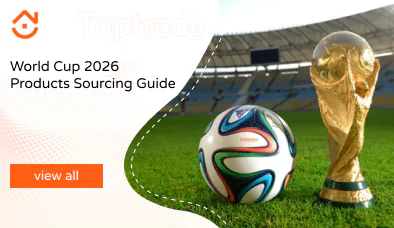
World Cup 2026 Products: Complete Sourcing Guide for Importers
1. Induction The World Cup is more than a global sports event. For importers, wholesalers, and brand owners, it represents one of the most powerful short-term sales opportunities in the world. The 2026 FIFA World Cup will take place from June 11 to July 19, 2026, hosted across the United States, Canada, and Mexico, creating weeks of continuous global attention and consumer excitement. During this fixed and highly anticipated period, demand spikes fast, emotions drive purchasing decisions, and customers are more willing to buy themed products without overthinking price. From watch parties and retail promotions to large-scale marketing campaigns, World Cup-related merchandise benefits from predictable timing and massive exposure. However, success with World Cup 2026 products does not depend on luck or trends alone. It depends on early planning, smart product selection, and a supply chain that can deliver on time. This guide explains what World Cup 2026 products are worth sourcing, when to start, and how importers can avoid costly mistakes before the tournament begins. 2. Why World Cup Products Drive Massive Seasonal Demand World Cup-related products benefit from several unique advantages that make them especially attractive for importers and wholesalers. First, the World Cup has a fixed and
How Did We Help a European Buyer Restock Snowball Maker Toy in Time?
1. Introduction: A Winter Crisis — When Stock Runs Out Before the Snow The most frantic calls in the global sourcing business rarely come during planning phases; they arrive in the midst of a roaring sales season, when every second of delay translates directly into lost revenue. This was precisely the scenario when my phone lit up one crisp November morning. On the line was a long-standing client—a major European retailer—and the tension in his voice was palpable. His words painted a clear picture of a looming commercial disaster: “We are going to sell air for Christmas.” Their hottest seasonal item, the Snowball Maker Toy, was vanishing from shelves and online warehouses at a rate that had obliterated all forecasts. Initial shipments, carefully calculated based on previous years’ data, were depleted in weeks. The traditional replenishment cycle, a comfortable 60-to-90-day journey by sea from factory to European distribution center, had become a countdown to failure. With peak winter demand still ahead and the primary factory in China reporting fully booked production lines until February, the situation was critical. This wasn’t merely a stock shortfall; it was a direct threat to their seasonal profitability and brand credibility with customers expecting the season’s
Yiwu Fair Suppliers 2025: How to Source High-Profit Products from the World’s Supermarket
Planning to attend Yiwu Fair 2025? You’re not alone — thousands of global buyers flock to Yiwu each year in search of the next winning product. Whether you’re a first-time visitor or a seasoned importer, smart sourcing strategies can make the difference between wasted time and real business breakthroughs. In this guide, we’ll share practical tips, digital tools, and a final checklist to help you navigate the Yiwu Fair like a pro. From pre-fair preparation to post-fair deal closing, get ready to boost your sourcing efficiency and profits. 1. Why Yiwu Fair Suppliers Matter in 2025 In 2025, sourcing from Yiwu Fair Suppliers has become more vital than ever for global traders seeking high-profit, scalable products. Known as the “World’s Supermarket,” Yiwu has evolved into a cornerstone of international trade, attracting buyers from over 200 countries. Yiwu Fair Suppliers offer an unmatched variety of consumer goods at competitive prices, making them a go-to source for wholesalers, e-commerce entrepreneurs, and retail chains alike. What makes Yiwu Fair Suppliers so influential is not just the scale of their offerings, but their ability to quickly adapt to global market trends. With the increasing pressure on retailers to diversify their product range, reduce costs,
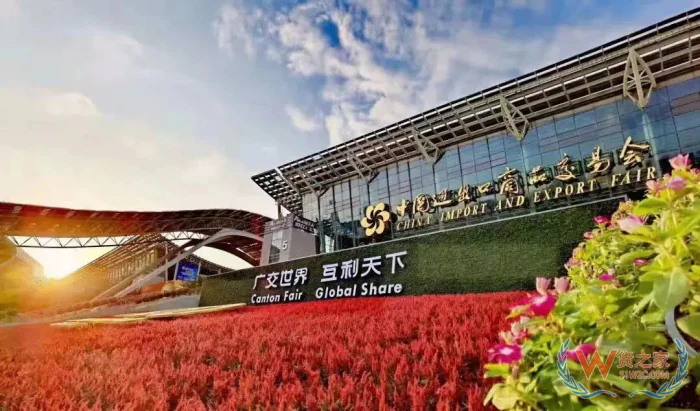
2024 Autumn Canton Fair: Must-See Exhibits and Insider Tips
2024 Autumn Canton Fair is coming soon. China Import and Export Fair (Canton Fair for short) is China’s comprehensive international trade fair, mainly for export trade, but also for import trade, is China’s longest history, the highest level, the largest scale, the most complete variety of commodities in the comprehensive international trade fairs, for the expansion of overseas markets to provide an important platform. The Canton Fair is held in three phases, each with different exhibits and focuses. In this blog, you will be given a detailed overview of the exhibits in each edition of the show, as well as the must-see exhibits for 2024. And some insider tipsyou didn’t know about Canton Fair. Exhibits for Three Phases Phase I exhibits: large-scale machinery, machine tools, tools, etc. Phase I exhibits mainly include large-scale machinery, machine tools, tools, etc., which is one of the most important exhibits of Canton Fair. It will display the high-end technology and products of China’s manufacturing industry and attract professional buyers from all over the world to visit and negotiate with China. Large-scale machinery, machine tools, tools and other products made in China have gradually gained recognition and trust in the international market. At the Canton
Connect with Us in St. Paul: Showcasing Our Best at the Latin American Electronics & Housewares Show
The Latin American Electronics & Housewares Show is a highly anticipated gathering that unites top talents and leading companies in the electronics and housewares sector. We are delighted to share that we will be presenting our newest and most exceptional products at the St. Paul exhibition. This presents a remarkable occasion for us to engage with our valued customers, partners, and industry experts, and we are enthusiastic about showcasing why our products stand out as the finest in the market. Exhibition Overview The Latin American Electronics & Housewares Show is a highly esteemed occasion within the industry, set to be held from July 15th to 18th, 2024, with operating hours from 1 PM to 9 PM in St. Paul, Minnesota. This event provides a platform for companies to unveil their latest products and advancements in the electronics and housewares sector. Drawing a diverse audience of industry professionals, buyers, and consumers, the exhibition offers an excellent opportunity for networking, collaboration, and business expansion. Our decision to participate in this exhibition is driven by the desire to not only showcase our premier products but also to engage with our target audience and solidify our presence in the market. Company Introduction Our company,