



Introduction
Kids furniture is no longer just a smaller version of adult furniture. For retailers, importers, and brand owners, sourcing kids furniture means balancing safety, functionality, design, and cost control. With growing demand from online platforms and offline retailers, choosing the right sourcing strategy is critical for long-term success. Unlike standard furniture, kids furniture requires stricter safety standards, careful material selection, and reliable production control—making sourcing decisions far more complex. For buyers sourcing kids furniture from China, challenges often include supplier selection, compliance with international regulations, MOQ flexibility, and logistics planning for bulky products. Without a clear sourcing strategy, risks related to quality, certification, and delivery timelines can quickly impact profitability.
This guide provides a practical overview of kids furniture sourcing, covering best-selling product categories, key safety standards, supplier types, and proven sourcing practices. Whether you are launching a new kids furniture line or scaling an existing wholesale business, understanding how to source efficiently and safely is essential for long-term success.
1. Why Kids Furniture Is a Growing Wholesale Category
Kids furniture sourcing continues to show stable and long-term growth in global wholesale markets. This demand is driven by several structural factors rather than short-term trends. Kids furniture continues to see stable global demand due to:
- Rising focus on children’s learning and living spaces
- Growth of e-commerce and direct-to-consumer brands
- Strong replacement and upgrade cycles as children grow
First, there is a rising focus on children’s learning and living spaces. Parents and educational institutions are investing more in functional, age-appropriate furniture that supports study, play, and daily activities. Products such as kids desks, tables, chairs, and storage furniture are no longer optional items but essential household and school purchases.
Second, the growth of e-commerce and direct-to-consumer brands has significantly expanded market access for kids furniture. Online platforms allow retailers to test new designs, target niche age groups, and reach international customers without relying solely on traditional retail channels. This shift has made kids furniture sourcing more flexible and scalable for wholesale buyers.
Another key driver is the strong replacement and upgrade cycle. As children grow, their furniture needs change quickly, creating repeat demand within a short time frame. Adjustable, modular, and age-specific designs further accelerate replacement purchases, especially in home and school environments.
Unlike toys, kids furniture typically offers higher order values and longer product life cycles. This makes it attractive for wholesale buyers looking to build stable product lines rather than one-time seasonal sales. With the right sourcing strategy, kids furniture can become a reliable category that supports long-term brand and revenue growth.
2. Best-Selling Kids Furniture Categories
Before diving into each category, the table below provides a quick comparison to help buyers understand sourcing priorities, MOQ flexibility, and logistics considerations across different kids furniture types.
📊 Kids Furniture Categories Comparison Table
| Category | Typical Products | Key Buying Focus | MOQ Flexibility | Logistics Notes |
| Kids Tables & Chairs | Tables, chairs, sets | Safety edges, stability, easy cleaning | High | Compact, low risk |
| Kids Beds & Storage | Beds, bunk beds, shelves | Space-saving, structure strength | Medium | Flat-pack recommended |
| Study Desks & Learning Furniture | Desks, study sets | Ergonomics, durability | Medium | Moderate size |
| Playroom & Nursery Furniture | Soft seating, sofas | Material safety, comfort | Medium–High | Mixed materials |
💡 This overview helps buyers quickly evaluate which categories fit their target market and sourcing strategy.
2.1 Kids Tables & Chairs
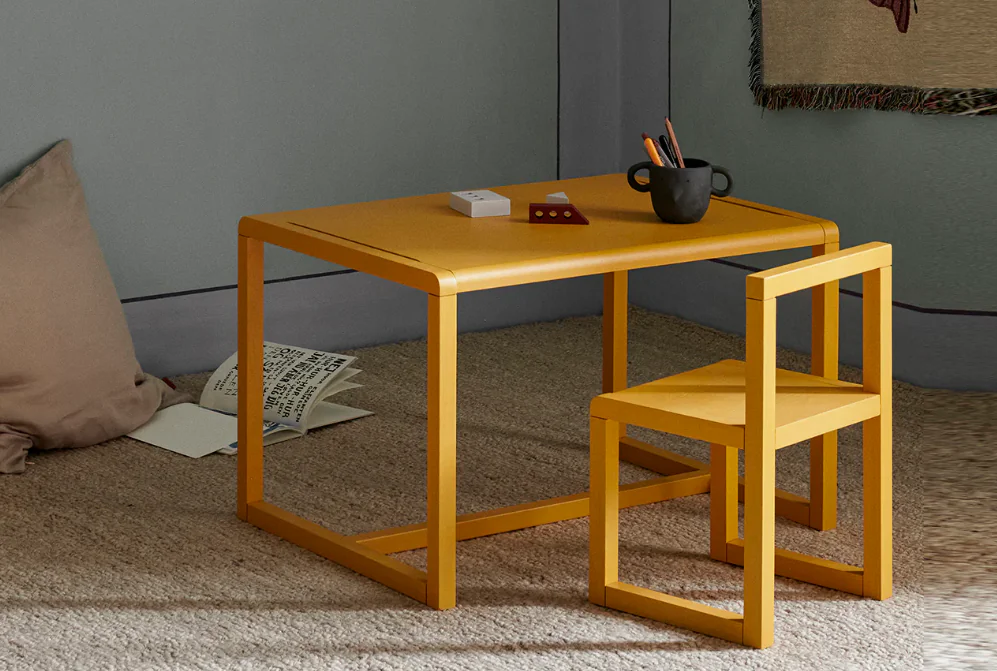
Kids tables and chairs are among the most stable and widely sourced kids furniture products. They are commonly used in homes, kindergartens, daycare centers, and learning institutions, which creates consistent demand across both retail and institutional markets.
From a design perspective, buyers typically prioritize rounded edges, stable structures, and surfaces that are easy to clean. Adjustable-height models are especially popular, as they extend product usability across different age groups and support longer replacement cycles.
From a sourcing standpoint, kids tables and chairs usually come with controllable MOQs and a wide range of material options, including wood, plastic, and metal frames. This makes them ideal for new buyers who want to test the market before scaling up.
2.2 Kids Beds & Storage Furniture
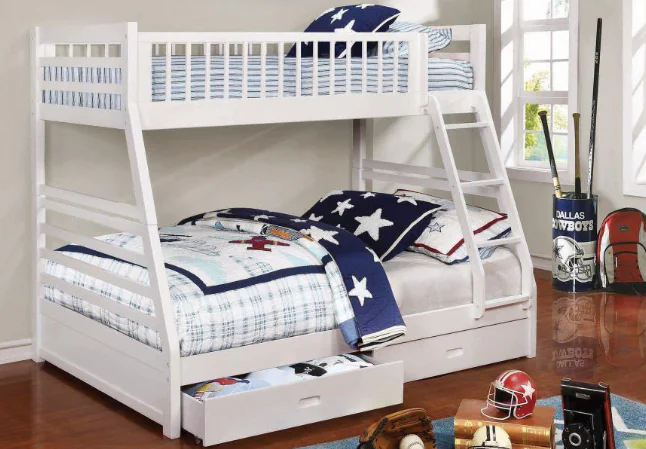
This category includes toddler beds, bunk beds, toy storage units, shelving, and bookcases. Demand is driven by space efficiency, especially in urban homes where multifunctional furniture is preferred.
Buyers often look for modular designs, built-in storage solutions, and easy-to-assemble structures. Safety features such as guardrails, stability, and load-bearing strength are critical considerations when sourcing these products.
Due to their size and weight, logistics planning plays a major role in kids beds and storage furniture sourcing. Flat-pack designs are widely adopted to reduce shipping costs, optimize container space, and minimize damage risks during transportation.
2.3 Study Desks & Learning Furniture
With the increasing focus on home learning and study environments, kids desks and learning furniture have become a fast-growing segment within kids furniture sourcing. These products are often positioned as functional and educational investments rather than optional items.
Key selling points include ergonomic design, posture support, height adjustability, and durability. Buyers targeting premium or mid-range markets may also focus on design aesthetics and long-term comfort.
Many wholesale buyers prefer light customization, such as color variations, logo printing, or branded packaging, to differentiate their offerings without significantly increasing production costs or lead times.
2.4 Playroom & Nursery Furniture
Playroom and nursery furniture covers products such as soft seating, small sofas, nursery chairs, and low-height storage units. These items are popular in both household and institutional settings, including preschools and childcare centers.
For this category, material safety is a top priority. Buyers should pay close attention to fabric certifications, padding materials, and surface finishes to ensure compliance with target market regulations. Comfort, safety, and visual appeal often outweigh complex functionality in purchasing decisions.
From a sourcing perspective, working with experienced suppliers helps ensure consistent quality, proper testing, and reliable lead times—especially for products involving mixed materials.
| Product Type | Best Target Market | Customization Level |
| Kids Tables & Chairs | Schools, online retail | Low–Medium |
| Study Desks | Home learning brands | Medium |
| Storage Furniture | Retail chains | Low |
| Nursery Furniture | Daycare institutions | Medium |
3. Safety Standards and Compliance for Kids Furniture
Safety is a top priority in kids furniture sourcing, as products must meet strict regulatory and material requirements in different markets. Unlike adult furniture, kids furniture is subject to additional chemical, structural, and usage-related safety checks, making compliance a critical sourcing consideration for buyers.
While specific regulations vary by country, wholesale buyers should pay close attention to the following key safety standards.
| Standard | Market | Focus Area |
| EN 71-3 | European Union | Chemical safety and heavy metal limits |
| ASTM F963 | United States | General children’s product safety |
| CPSIA | United States | Lead content and material compliance |
| Formaldehyde Emission Standards | Global | Wood-based panel emissions |
| Stability & Load-Bearing Tests | Global | Structural safety and tip-over resistance |
These standards apply to different aspects of kids furniture, from surface coatings and fabrics to overall structural stability. Buyers sourcing wooden furniture should be especially cautious about formaldehyde emissions, while furniture designed for active use must pass stability and load-bearing tests.
In practice, working with compliant factories and arranging third-party testing or pre-shipment inspections helps reduce regulatory risks and avoid costly delays at customs. An experienced sourcing partner can also guide buyers on which certifications are required based on target markets and product types.
4. Key Materials Used in Kids Furniture
Material selection plays a critical role in kids furniture sourcing, as it directly affects product safety, durability, compliance requirements, and overall cost. Choosing the right material is not only a design decision but also a sourcing strategy decision.
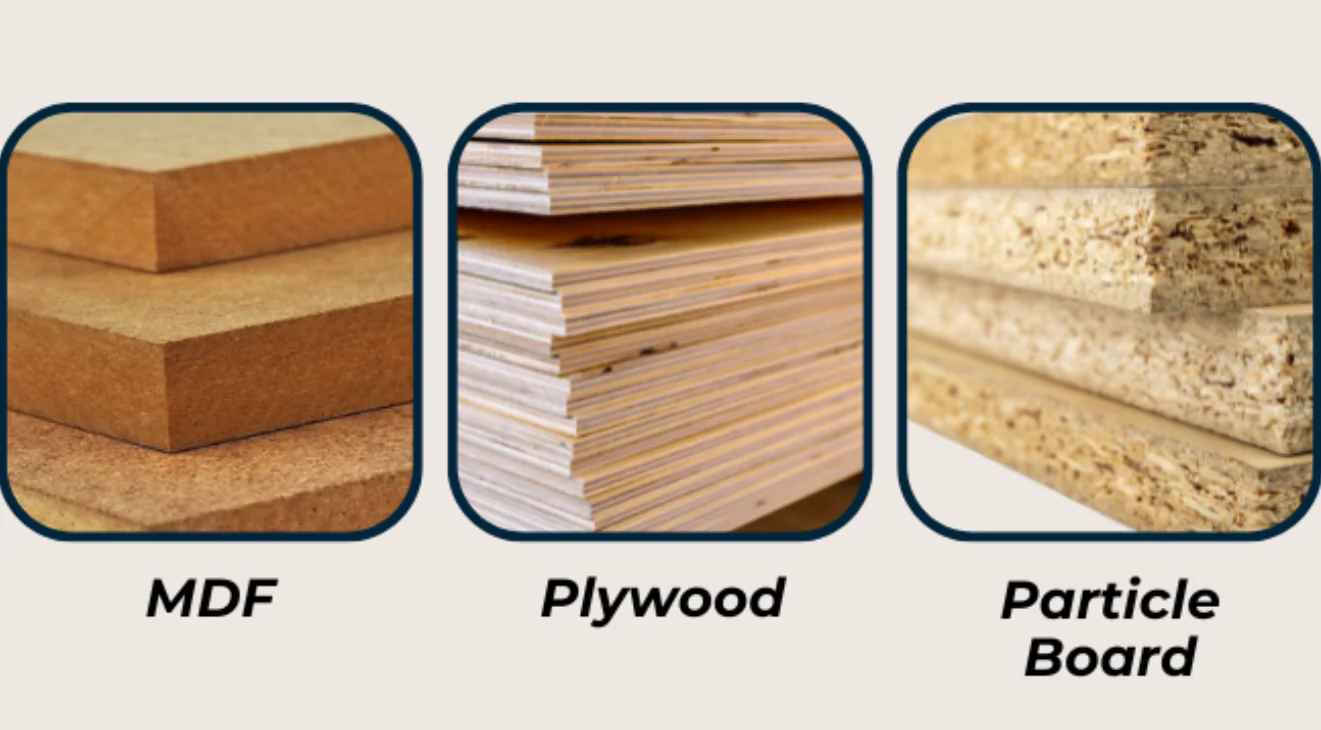
Common materials used in kids furniture include solid wood, plywood, MDF, metal frames, and plastic components. Buyers should evaluate the following key factors when selecting materials:
- Material durability and safety
Kids furniture is subject to frequent use, climbing, and movement. Materials must be strong, stable, and safe for daily contact, especially for younger age groups.
- Surface finishes and coatings
Paints, varnishes, and coatings should be non-toxic, wear-resistant, and suitable for children’s products. Poor surface treatment can lead to safety risks and quality complaints.
- Environmental and emission standards
Wood-based materials such as plywood and MDF must meet formaldehyde emission limits and other environmental requirements in target markets.
Choosing the right material directly influences certification complexity, production cost, and market acceptance. A well-planned material strategy helps buyers balance safety compliance, pricing control, and long-term product positioning.
5. How to Prepare for Kids Furniture Sourcing
Successful kids furniture sourcing requires early planning and coordinated decision-making across product design, compliance, and logistics. Compared with smaller consumer goods, furniture products involve longer production cycles and higher shipping complexity, which makes preparation a critical part of the sourcing process.
Step 1: Product Selection & Market Research
The first step is to clearly define your target market, age group, and price positioning. Buyers should analyze where the products will be sold, such as online platforms, retail stores, or institutional channels, and select furniture categories with stable demand and manageable dimensions. This early research helps avoid over-investment in unsuitable product types.
Step 2: Sampling & Product Testing
Sampling is essential for evaluating structure, material quality, and overall workmanship. During this stage, buyers can compare multiple suppliers, test basic stability and safety features, and refine product specifications. Early sampling reduces the risk of costly design changes later in production.
Step 3: Material & Design Confirmation
Once samples are approved, material choices and design details should be finalized. This includes confirming dimensions, load-bearing capacity, surface finishes, and child-friendly features. Keeping customization light during the initial phase helps control costs and lead times while maintaining flexibility.
Step 4: Packaging Design & Compliance
Packaging plays a key role in kids furniture sourcing, especially for bulky items. Buyers should ensure packaging protects the product during transportation while meeting labeling and compliance requirements in target markets. Flat-pack solutions are often preferred to optimize shipping efficiency and reduce damage risks.
Step 5: Production Planning & Quality Control
Clear production schedules and quality checkpoints help maintain consistency. Buyers should align manufacturing timelines with shipping plans and arrange in-line or pre-shipment inspections to identify potential issues before delivery. Proper documentation and compliance reports should be confirmed before shipment.
Step 6: Logistics & Delivery Planning
Logistics planning should begin early in the sourcing process. Selecting the right shipping method, reserving sufficient transit time, and building buffer periods for customs clearance are essential for ensuring on-time delivery. Effective logistics coordination minimizes delays and protects overall project timelines.
6. Why Work With a China Sourcing Agent
Sourcing kids furniture from China can be complex, especially for buyers managing multiple product types, compliance requirements, and tight seasonal deadlines. Working with an experienced China sourcing agent offers clear advantages that help reduce risk, control costs, and ensure timely delivery.
A professional sourcing agent can compare multiple factories to secure the most competitive pricing and provide guidance on material selection and design optimization. Agents also manage sampling, quality control, and compliance checks, ensuring that all products meet international safety standards such as EN 71-3, ASTM F963, and CPSIA.
Seasonal peaks, such as back-to-school periods or holiday promotions, demand precise timing. A sourcing agent coordinates production schedules, monitors lead times, and helps buyers meet delivery deadlines without compromising quality. This is particularly important for bulky furniture items, where logistics challenges can quickly affect costs and timelines.
In addition, sourcing agents support small MOQ orders, allowing buyers to test the market without committing to large quantities. They also provide practical insights into packaging design, labeling requirements, and shipping options, which helps buyers avoid costly mistakes and streamline the supply chain.
Overall, working with a China sourcing agent simplifies the kids furniture sourcing process, providing buyers with a single point of contact for factory coordination, compliance management, and logistics oversight. This professional guidance enables buyers to focus on growing their business while minimizing operational risks.
Conclusion
Kids furniture sourcing is not just a seasonal or one-time opportunity. Proper planning, material selection, and compliance management allow buyers to build a reliable and scalable product line that generates consistent revenue. By testing designs, validating the market, and learning from early orders, buyers can refine their product offerings and better meet customer expectations.
Moreover, sourcing kids furniture strategically provides insights for expanding into related product categories, optimizing logistics, and improving overall supply chain efficiency. Aligning with an experienced China sourcing agent ensures that quality, safety, and delivery timelines are managed professionally, reducing operational risks and supporting sustainable growth.
In short, approaching kids furniture sourcing with a long-term mindset transforms it from a single purchase into a repeatable, profitable business model, paving the way for future seasonal and year-round opportunities.

I am responsible for the daily operation and content management of our website. My work focuses on optimizing user experience, improving website performance, and ensuring that customers can easily find the products and services they need. I collaborate with our sourcing and customer service teams to keep the site updated with reliable information, clear product details, and helpful resources. I aim to make our platform not only a business tool but also a valuable guide for international buyers.