



Introduction
The electrical products market is evolving faster than ever, driven by new technology, shifting consumer habits, and the global push for smarter and more energy-efficient living. Understanding current electrical product trends is no longer optional for buyers — it is the key to staying competitive in 2025 and beyond.
For buyers and sourcing teams, this guide provides a clear overview of the most popular electrical products in 2025 and the major trends behind their growth. Understanding where the market is heading with toptrade will help you choose the right products, plan better inventory, and identify suppliers who can deliver long-term value.
1. What Is Driving the Growth of the Electrical Products Market?
Several clear forces are shaping the electrical products market in 2025, and they explain why certain categories are becoming top sellers worldwide.
Smart and Connected Devices Rising
Consumers want products that are easy to control, energy-efficient, and compatible with home apps. This is why smart lighting, Wi-Fi switches, and home security devices continue to grow rapidly.
Energy Efficiency Influence Buyer Decisions
High electricity costs and stricter regulations push buyers toward low-energy lighting, efficient chargers, and solar-compatible devices — all categories that importers request frequently at TopTrade.
Wearables Still Expanding
Health monitoring and mobile connectivity keep wearables popular, supported by flexible OEM/ODM production from Chinese manufacturers.
Home Electrification Creating New Demand
The rise of EV chargers, inverters, and battery systems is opening a new set of opportunities for buyers focused on long-term growth categories.
2. What Are the Top-Selling Electrical Products in 2025?
2.1 Smart Home Devices: Which Sub-Categories Offer the Best Value?
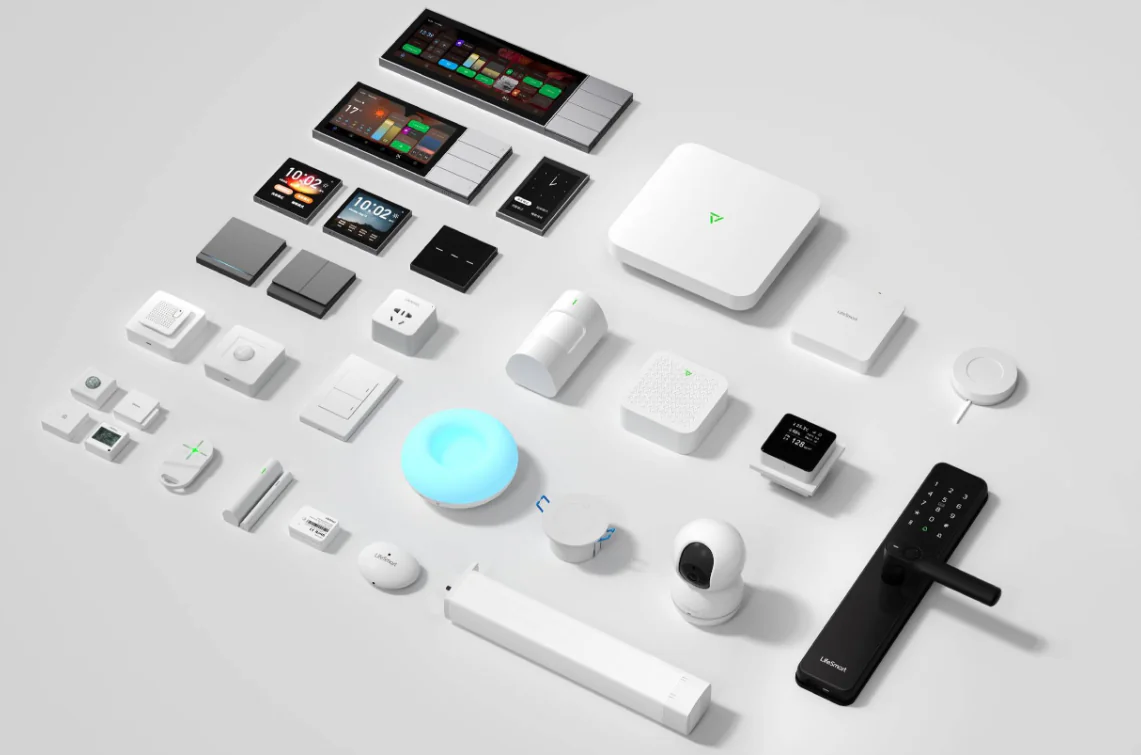
Smart home products remain the fastest-growing segment in electrical sourcing. They are lightweight, easy to brand, and suitable for both online stores and big-box retailers. For new importers, this category offers a balanced mix of stable demand and flexible pricing.
Consumers want simple devices that make daily routines easier. Most smart items now support Wi-Fi or Bluetooth and come with compatibility for Alexa, Google Home, and sometimes Apple HomeKit. This cross-platform support increases global market acceptance and reduces return rates.
Top-Selling Items
- Smart bulbs and RGB LED lamps
- Smart plugs and sockets
- Smart wall switches
- Door and window sensors
- Smart IP cameras and baby monitors
- Smart doorbells with video function

Practical Sourcing Tips for Buyers
1. Check the chip platform — it affects everything.
- Tuya, ESP, RTL, and BK chips each have different stability levels, firmware costs, and app ecosystems.Tuya: easiest for global markets, wide compatibility.
- ESP / Realtek: smoother app performance but may need custom development.
- BK: cost-effective but limited in premium markets.
2. Confirm router and Wi-Fi compatibility.
Most smart products operate on 2.4GHz only. Buyers should clearly list router requirements in product pages to reduce returns, especially for US, UK, and EU markets where dual-band routers are common.
3. Ask whether the factory supports OTA firmware updates.
OTA capability allows remote bug fixes, new features, and improved security. Products without OTA support often lead to more after-sales problems, especially in security cameras and doorbells.
4. Pay attention to standby energy consumption.
Some retailers in Europe require standby power under specific limits. High idle wattage can cause compliance issues or customer complaints. This detail is small but often overlooked during factory selection.
5. Don’t skip packaging and manual localization.
Smart products often need multilingual manuals and clear app instructions. Importers selling on Amazon, Shopee, or Lazada should request English–Spanish–French manuals by default.
2.2 LED Lighting Products:Why Does This Category Stay Strong Every Year?
Lighting has been a consistent bestseller for a decade, but 2025 brings new opportunities due to higher energy costs and smart-lighting upgrades.
Why They Sell Well
LED lighting is essential, energy-efficient, and widely used in both homes and commercial spaces. Even in competitive markets, strong demand keeps turnover fast.
Top-Selling Items
- LED panel lights for indoor commercial spaces
- LED downlights (COB/SMD)
- LED strip lights
- Solar LED garden lights
- Rechargeable emergency lights

Practical Sourcing Tips
1. Insist on LM80-tested LEDs.
LED quality affects brightness consistency and lifespan.
2. Compare driver solutions.
Good drivers reduce flicker and improve safety compliance.
3. For solar lights, verify battery supplier.
Cheaper lithium cells fail quickly — the #1 complaint from overseas buyers.
4. For decorative lights, check PVC or silicone quality.
Low-grade materials turn yellow within months. What TopTrade Observes
Zhongshan, Guzhen, and Ningbo factories lead this category. For bulk buyers, the real advantage comes from negotiating packaging upgrades and CRI improvements, which help differentiate SKUs without raising costs dramatically.
2.3 Mobile Charging & Power Accessories
This is one of the most reliable and high-volume electrical categories. Every smartphone launch creates new demand for chargers, cables, and adapters. GaN fast chargers, in particular, remain one of the strongest growth items for 2025.
Top-Selling Items
- GaN fast chargers (30W / 65W / 100W)
- Multi-port charging hubs
- Power banks
- Wireless charging pads
- USB-C / Lightning cables(braided cords)
Practical Sourcing Tips
1. Check real output power.
Some cheap chargers label 65W but deliver 40W in testing — a common trap for buyers.
2. USB PD & QC certification matters.
For Europe, mislabeling “fast charger” can cause customs issues.
3. GaN chargers should have proper heat dissipation design.
Higher heat = higher failure rate.
4. Ask for PCB and component photos before production.
This step alone filters out 50% of unreliable factories.What TopTrade Observes
Shenzhen remains the absolute leader. Large-scale factories offer stable chipsets and proper testing. For buyers launching private-label charging products, GaN chargers + braided cables is the most profitable combination in 2025.

2.4 Wearables: Why Are They Still Expanding?
Wearables continue to grow because health data has become part of daily life.
Why They Sell Well
More accurate sensors + longer battery life + better smartphone integration = more stable demand.
Top-Selling Items
- Smartwatches
- Fitness trackers
- Blood pressure / heart rate monitoring bands
- GPS sports watches
- Kids’ safety watches
Practical Sourcing Tips
1. Prioritize sensor quality.
Cheap PPG sensors inflate data and cause high return rates.
2. Verify battery capacity and realistic usage time.
Factories sometimes overstate standby time.
3. Always test the app.
Even the best hardware performs poorly with a buggy app.
4. Choose factories offering firmware customization.
Makes your product different from competitors.What TopTrade Observes
Wearables are highly customizable, making them attractive for branding. Mid-sized factories offer excellent OEM flexibility without high MOQs.

2.5 Home Energy & EV Charging Products
This is one of the highest-growth segments for medium to large importers.
Why They Sell Well
Countries encourage renewable energy and EV adoption. Consumers want energy independence and lower electricity bills.
Top-Selling Items
- Portable power stations
- Solar inverters
- Home EV chargers
- Smart energy meters
- Solar charging panels
Practical Sourcing Tips
1. Certification is the biggest challenge.
Especially for EV chargers (CE, TUV, UL).
2. Component sourcing transparency is crucial.
Check battery cell supplier and MOSFET brands.
3. Avoid factories using recycled lithium cells.
Some small workshops do this to cut costs — extremely risky.
4. Ask for a pilot run with load testing reports.
Important for inverters and power stations.What TopTrade Observes
This category attracts higher-budget buyers. Factories in Wenzhou, Ningbo, and Shenzhen dominate. The most successful importers start with Level 2 AC chargers before upgrading to more complex DC fast chargers.
| Product Category | Top-Selling Items | Buyer Tips / Sourcing Notes | Recommended Factory Hubs |
| Smart Home Devices | Smart bulbs, plugs, switches, sensors, cameras | Verify chip platform, firmware OTA updates, energy ratings | Shenzhen, Ningbo, Shunde |
| LED Lighting | Panel lights, downlights, strip lights, solar lights | Check LM80 LED tests, driver quality, material durability | Zhongshan, Guzhen, Ningbo |
| Mobile Charging & Accessories | GaN chargers, power banks, wireless pads, cables | Verify output power, USB PD/QC certification, heat dissipation | Shenzhen |
| Wearables | Smartwatches, fitness trackers, health monitoring bands | Test sensors and battery, verify app stability, firmware customization | Shenzhen, Foshan |
| Home Energy & EV Charging | Portable power stations, inverters, EV chargers, energy meters | Confirm certifications, component transparency, pilot testing | Wenzhou, Ningbo, Shenzhen |
| Repairable / Sustainable Electronics | Modular phones, repairable smart devices | Choose eco-certified components, modular designs | Shenzhen, Foshan |
3. What Trends Are Shaping Electrical Products in 2025?
Understanding which products sell is only half the story. Smart buyers also need to know why these items are popular and how trends will influence sourcing decisions in 2025 and beyond. TopTrade has identified five key trends shaping the electrical products market.
Why Is Smart Home Integration Driving Product Demand?
IoT and AI-enabled devices are no longer luxury items — they are becoming standard in households worldwide. Smart bulbs, plugs, cameras, and switches are all in demand because consumers want interconnected, easily controllable systems.
Practical takeaway for buyers: Choose suppliers who can support app integration and firmware updates. Factories with Tuya or ESP chip experience are easier to scale and customize for multiple regions.
How Does Energy Efficiency Affect Sourcing Decisions?
Energy-saving products like LED lighting, GaN chargers, and solar-compatible devices are increasingly preferred. High electricity costs and environmental policies make efficiency a selling point, not just a compliance requirement.
Tip: Buyers should request LM80-tested LEDs, certified GaN chargers, or solar inverter test reports before committing to bulk orders. TopTrade often helps clients verify these certifications early to reduce risk.
Why Are Repairable and Sustainable Electronics Becoming Important?
Sustainability is no longer optional in Europe and North America. Modular products, replaceable batteries, and recyclable materials give buyers an advantage in retail positioning.
Tip: Look for factories offering modular designs or eco-certified components. TopTrade notes that products with repairable features often enjoy longer sales cycles and lower return rates.
How Is Home Energy Electrification Creating New Opportunities?
The rise of EV adoption, solar panels, and home battery storage creates strong demand for EV chargers, inverters, and smart meters. This segment is growing faster than traditional electrical accessories.
Tip: Focus on suppliers with in-house testing labs for load, safety, and thermal performance. TopTrade often recommends starting with mid-range AC chargers and scaling up to DC fast chargers as expertise grows.
Why Does Supply Chain Diversification Matter Now More Than Ever?
Recent global disruptions show that relying on a single factory or region can be risky. Buyers now prioritize multi-source strategies and factories capable of dual production lines.
Tip: TopTrade encourages importers to select at least two suppliers for critical components like batteries, chips, or PCB assemblies. This ensures stable inventory even when shipments are delayed or raw materials fluctuate in price.
How Are Consumer Preferences Shaping Product Features?
Buyers need to consider usability, aesthetics, and app-friendly designs. Devices that are intuitive, visually appealing, and compatible with multiple platforms sell faster.
Tip: Factory visits or virtual inspections can help evaluate build quality and user interface before bulk orders. TopTrade helps clients identify suppliers who balance price, quality, and customization capabilities.
4. How Can Buyers Source Electrical Products Safely and Effectively?
Choose the Right Suppliers
Choosing the right supplier is the foundation of successful sourcing. Buyers should prioritize factories with proven experience in producing smart home devices, LED lighting, EV-related equipment, or wearables. Certifications such as CE, RoHS, UL, and ERP are essential to ensure compliance and minimize risk. Additionally, production capacity and quality control processes must be evaluated carefully. Factories that can handle both pilot orders and large-scale shipments provide the flexibility needed for growth. At TopTrade, we guide buyers in identifying suppliers that meet these requirements, helping them avoid unreliable manufacturers and focus on partners that deliver consistent quality.
Minimize Compliance Risks
Compliance with international regulations is critical for electrical products, particularly for devices like EV chargers, smart meters, and wearable electronics. Buyers should always request test reports before placing orders and confirm that suppliers can update certifications if regulatory standards change. Working with factories that maintain in-house safety testing labs can significantly reduce potential compliance issues. TopTrade assists importers in verifying certifications and ensuring that products meet the safety and energy standards required by different global markets, giving buyers peace of mind.
Protect Against Supply Chain Disruptions
Supply chain disruptions remain a common challenge for electrical products, from chip shortages to shipping delays. Buyers are advised to adopt dual-sourcing strategies for critical components such as batteries, PCBs, and microchips. Understanding the supplier’s lead times, inventory buffers, and shipping options is equally important to prevent unexpected delays. TopTrade helps clients develop multi-factory sourcing plans that reduce risks, ensuring stable inventory and smoother operations even when global logistics are unpredictable.
Ensure Product Quality and Longevity
Product quality is a decisive factor in reducing returns and building a reliable brand. Buyers should conduct comprehensive sample testing, including firmware performance, app integration, and product durability. For wearables, sensor accuracy and battery life are critical, while smart plugs, bulbs, and chargers should be assessed for proper heat dissipation and PCB quality. TopTrade works closely with buyers to identify factories that can consistently deliver high-quality products and provide guidance on how to verify durability and reliability before mass production.
Add Value Through Customization
Customization can significantly enhance a product’s market appeal and brand recognition. Buyers can work with factories to implement private labeling, firmware branding, packaging design, and minor feature adjustments without requiring large minimum order quantities. This allows products to stand out from competitors while maintaining cost efficiency. TopTrade helps buyers find suppliers with flexible OEM and ODM capabilities, enabling them to bring tailored electrical products to market quickly and efficiently.
Conclusion
The electrical products market in 2025 is defined by smart technology, energy efficiency, and sustainable design. Top-selling items like smart home devices, LED lighting, wearables, chargers, and home energy products reflect a shift toward connected, eco-conscious living. Buyers who understand these trends, select reliable suppliers, and plan their sourcing strategy carefully are most likely to succeed.
For importers, wholesalers, and retailers looking to navigate this complex market, TopTradeSourcing offers trusted supplier matching, quality verification, and practical sourcing guidance. By leveraging TopTrade’s expertise, buyers can find the right products, avoid common pitfalls, and secure long-term growth opportunities in the electrical products market.

I am responsible for the daily operation and content management of our website. My work focuses on optimizing user experience, improving website performance, and ensuring that customers can easily find the products and services they need. I collaborate with our sourcing and customer service teams to keep the site updated with reliable information, clear product details, and helpful resources. I aim to make our platform not only a business tool but also a valuable guide for international buyers.