



1. A US Brand Seeking Higher Premium Quality
1.1 Brand Profile and Market Positioning
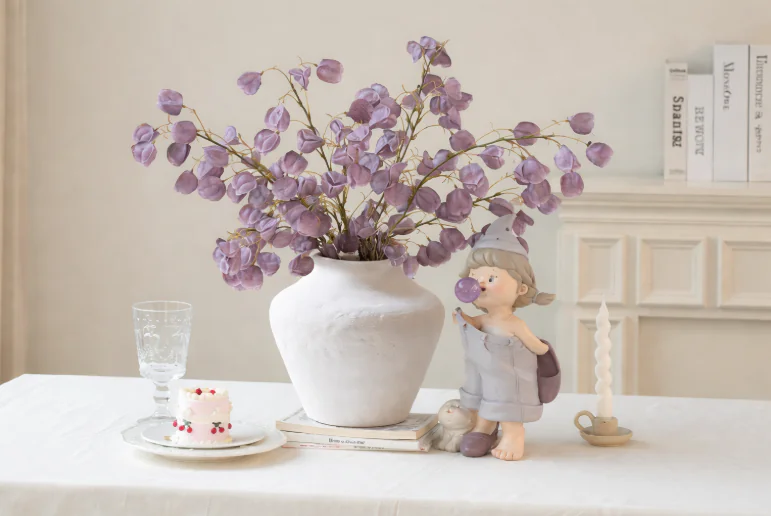
The client is a US-based home décor brand specializing in seasonal and premium interior styling products. In recent years, artificial flower wholesale products became a key growth category for them, especially for weddings, retail displays, and high-end home décor collections. Unlike mass-market buyers, this brand positioned itself toward premium quality, realistic appearance, and consistent craftsmanship, targeting mid-to-high-end retailers.
1.2 Initial Sourcing Situation
Before working with us, the brand sourced artificial flowers from several Chinese suppliers through online platforms. While prices were competitive, quality inconsistency became a growing concern as order volumes increased. Early samples looked acceptable, but bulk production often failed to match approved standards, resulting in customer complaints and returns.
1.3 Quality Expectations vs. Market Reality
For artificial flower wholesale, visual realism is critical. The brand required accurate petal colors, natural textures, stable stems, and long-term durability. However, many factories prioritized speed and cost over detail refinement. This mismatch between expectations and execution pushed the brand to seek a professional sourcing and QC partner capable of managing quality at scale.
1.4 Why They Reached Out to Us
The brand’s key goal was not simply to find a cheaper supplier but to build a stable, long-term supply chain with reliable quality control. They needed a team on the ground in China to handle factory screening, sampling, inspections, and technical communication — areas where overseas buyers often lack visibility.
By partnering with us, the brand aimed to transform artificial flower wholesale sourcing from a risky cost-driven process into a quality-driven, repeatable system.
2. The Challenges — Quality Fail Points That Needed to Be Fixed
2.1 Inconsistent Appearance Across Batches
One major issue was batch inconsistency. While approved samples looked realistic, bulk orders showed visible differences in petal shape, color tone, and flower density. This inconsistency made it impossible for the brand to maintain uniform product displays across retail channels.
2.2 Color Fading and Dye Transfer
Several shipments revealed problems with dye stability. After exposure to light or humidity, petals faded unevenly, and in some cases, color transferred onto packaging or fabric surfaces. For artificial flower wholesale buyers serving premium customers, this was unacceptable.
2.3 Weak Stem Structure and Assembly Defects
Another recurring problem was poor internal structure. Wire stems were too thin, glue joints loosened during transportation, and flower heads detached easily. These issues increased breakage rates and post-sale complaints.
2.4 Lack of Factory Quality Awareness
Many factories lacked standardized quality checkpoints. Production relied heavily on manual labor without clear tolerances or inspection standards. Defects were only discovered after shipment, when correction costs were already high.
2.5 Communication Gaps
Technical requirements such as material thickness, color codes, and durability testing were often misunderstood. Without professional intermediaries, the brand struggled to translate expectations into factory-level execution.
Identifying these fail points was essential. Only by diagnosing the root causes could we build a reliable artificial flower wholesale solution.
3. Factory Screening — Selecting Only Top-Tier Manufacturers
3.1 Multi-City Factory Visits
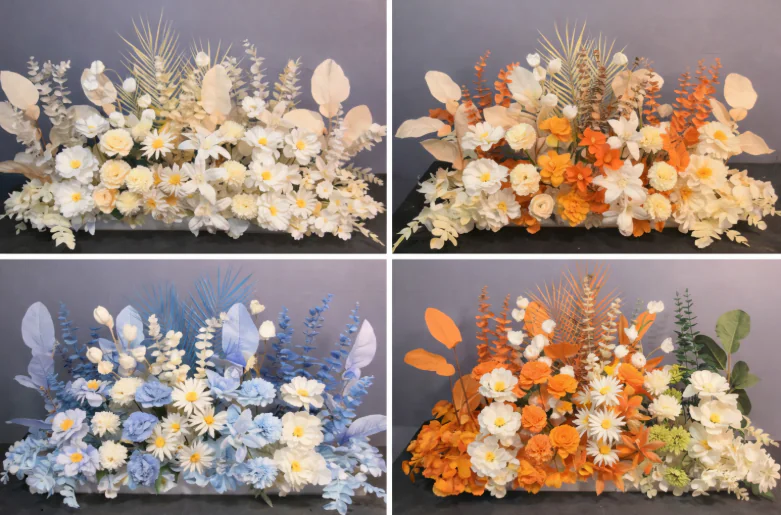
Instead of relying on online catalogs, we conducted on-site factory visits in key artificial flower production hubs, including Yiwu and Guangzhou. These regions host a wide range of manufacturers, but only a small percentage meet premium export standards.
3.2 Professional Evaluation Criteria
During factory screening, we assessed:
- Raw material sourcing and fabric quality
- Dyeing and color-fastness processes
- Production capacity and batch consistency
- Internal QC systems and worker training
- Export experience with US and EU brands
Factories that failed basic quality discipline were immediately eliminated.
3.3 Material & Process Testing
We requested internal production samples and conducted tests on:
- Petal texture realism
- Color stability under light exposure
- Stem strength and flexibility
- Adhesive durability
Only factories that passed these technical evaluations were shortlisted for sampling.
3.4 Final Supplier Selection
After multiple comparisons, we selected two top-tier factories specializing in premium artificial flower wholesale. Both demonstrated strong process control, stable labor teams, and willingness to follow strict quality requirements.
This professional screening step laid the foundation for all future quality improvements.
4. Sample Adjustments — Three Rounds of Refinement
4.1 First Sample: Identifying Gaps
The initial samples met basic appearance standards but still lacked realism in petal layering and natural color gradients. We documented all issues with photos, videos, and written feedback.
4.2 Second Sample: Technical Refinement
Based on feedback, factories adjusted:
- Petal cutting angles
- Color layering techniques
- Stem wire thickness
- Glue application methods
We compared new samples side-by-side with the original and marked remaining discrepancies.
4.3 Third Sample: Final Optimization
The final round focused on micro-details: petal softness, vein texture, and color transitions. We also tested packaging resistance to compression during shipping.
Only after three structured refinement rounds did the samples fully meet premium market expectations.
4.4 Sample Approval System
Once approved, samples were sealed as golden references, ensuring bulk production strictly followed confirmed standards — a critical step in artificial flower wholesale consistency.
5. Quality Control — Strict Inspection Before Shipment
5.1 Pre-Production Quality Alignment
Before mass production, we conducted pre-production meetings with factories to align on specifications, defect tolerances, and inspection criteria.
5.2 In-Process Inspection
During production, random checks ensured materials, colors, and assembly matched approved samples. Early detection prevented large-scale defects.
5.3 Final Inspection Before Shipment
Each order underwent:
- Appearance inspection
- Color consistency checks
- Structural strength testing
- Packaging verification
Only shipments that passed all criteria were approved for export.
5.4 Professional QC Reporting
Detailed inspection reports with photos and data were shared with the client, providing full transparency and confidence.
6. Final Outcome — Premium Quality Achieved
6.1 Measurable Improvements
Defect rates dropped significantly, customer complaints were eliminated, and product consistency improved across all SKUs.
6.2 Long-Term Partnership Established
Impressed by the results, the brand placed advance orders for the following year, securing production capacity ahead of peak seasons.
6.3 Expanded OEM Design Cooperation
Beyond artificial flower wholesale sourcing, the partnership expanded into OEM design collaboration, including exclusive flower styles and seasonal collections.
6.4 Sustainable Growth Model
With stable suppliers and strict QC systems, the brand transformed sourcing from a risk factor into a competitive advantage.

Esperanza Luo is a foreign trade sales representative specializing in the household and daily consumer goods industry. With solid experience in international trade and customer service, I provide overseas buyers with one-stop solutions from product sourcing and quotation to order follow-up and after-sales support. I am skilled at supplier selection, compliance review, and quality control, ensuring every process is efficient and reliable. With a keen understanding of market trends and buyer needs in homeware, kitchenware, and lifestyle products, I deliver competitive products and flexible trade solutions that meet clients’ demands. Guided by professionalism, efficiency, and integrity, I aim to build lasting partnerships and support clients’ sustainable growth.