



Choosing the right types of fabric is one of the most important decisions in apparel sourcing. It affects comfort, durability, production cost, brand positioning, and the overall customer experience. Whether you run a growing fashion brand or you source private-labe apparel through OEM/ODM factories in China, knowing the main types of fabric helps you communicate better with suppliers and avoid costly mistakes.
This guide explains the most common fabric categories, their performance features, and how to choose the right material for different apparel products. Although the global textile industry produces thousands of fabrics, almost all materials fall into three major groups: natural fabrics, synthetic fabrics, and blended fabrics. Understanding these categories will help you evaluate quality and plan your product line more effectively.
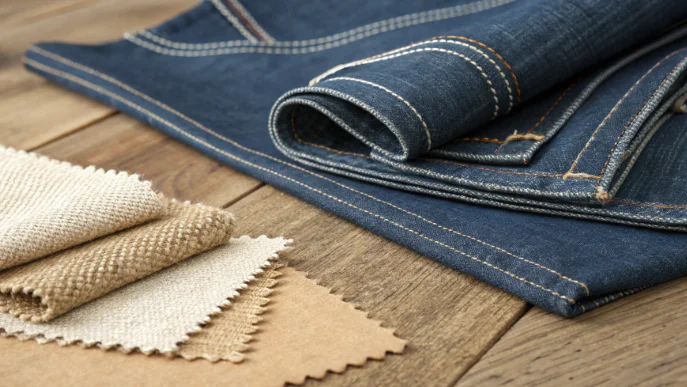
1. What Are the Main Types of Fabric?
Although the global textile industry produces thousands of fabrics, almost all materials fall into three major groups: natural fabrics, synthetic fabrics, and blended fabrics. Understanding these categories will help you evaluate quality and plan your product line more effectively.
1.1 Natural Fabrics
Natural fabrics come from plants or animals. They are breathable, skin-friendly, and widely used in premium apparel.
- Cotton – soft, breathable, ideal for T-shirts, shirts, kidswear
- Linen – lightweight, cooling, perfect for summer collections
- Silk – luxurious, smooth, used in high-end womenswear
- Wool – warm, durable, suitable for sweaters and winter outerwear
Natural fibers typically offer excellent comfort but may wrinkle or shrink if not properly treated. When sourcing natural fabrics, always confirm preshrinking, finishing, and dyeing quality.
1.2 Synthetic Fabrics
Synthetic materials are engineered for durability, easy maintenance, and performance functionality.
- Polyester – strong, wrinkle-resistant, fast-drying
- Nylon – smooth, high-strength, ideal for activewear
- Acrylic – lightweight and warm, often used in knitwear
- Spandex (Elastane) – provides stretch and shape retention
Synthetic fibers are common in sportswear, uniforms, swimwear, and outdoor apparel. They maintain shape well and handle frequent washing better than many natural fabrics.
1.3 Blended Fabrics
Blended fabrics combine natural and synthetic fibers to achieve a balance of comfort, durability, and cost efficiency.
Common blends include:
- Cotton-polyester (60/40 or 65/35) – ideal for everyday T-shirts and hoodies
- Nylon-spandex (80/20) – preferred for yoga leggings and sports bras
- Polyester-viscose – soft drape for women’s dresses and office wear
Blends are stable, affordable, and widely used by Chinese garment factories for mass production. They also reduce shrinking and improve color fastness.

2. The Most Common Fabric Types in the Apparel Industry
The global apparel industry relies on a wide range of fabrics, each with its own unique performance characteristics, price range, and end-use suitability. Whether you develop fashion basics, premium lifestyle collections, or technical activewear, understanding the advantages and limitations of each fabric type allows you to make smarter sourcing decisions and communicate more clearly with your suppliers. Below is a detailed look at the materials buyers encounter most frequently when sourcing from China’s garment factories and fabric mills.
2.1 Cotton – Breathable and Versatile
Cotton remains the backbone of the global apparel market for good reasons. It offers an unmatched combination of breathability, softness, and skin comfort, making it ideal for everything from everyday T-shirts to baby clothing. The fiber’s natural moisture-wicking capability keeps the body cool, while its softness makes it comfortable for long hours of wear. Cotton also takes dye well, producing vibrant colors with minimal fading when properly processed.
When sourcing cotton, evaluate the following important indicators:
GSM (fabric weight) – This determines how the garment feels and performs. Lightweight cotton (120–160 GSM) is ideal for summer tees, while heavier cotton (180–240 GSM) offers a more structured and premium hand feel.
Yarn count (30s, 40s, 60s) – Higher yarn counts mean finer, smoother fabric. Premium T-shirts often use 40s or 60s yarn.
Combed vs. carded – Combed cotton removes shorter fibers, resulting in a softer, stronger, and more uniform texture.
Despite its comfort, cotton can shrink or wrinkle if not pre-treated. To reduce customer complaints, ensure the fabric is pre-shrunk, and request dyeing stability tests, especially for darker colors. TopTradeSourcing can help evaluate cotton suppliers and fabric mills to ensure consistency during bulk production.
2.2 Polyester – Strong, Wrinkle-Resistant, and Affordable
Polyester is one of the most widely used synthetic fabrics in the apparel industry. Its exceptional durability, wrinkle resistance, and color retention make it a practical choice for both fashion and functional garments. Unlike natural fibers, polyester maintains its structure after repeated washing, making it especially popular among fast-fashion brands, uniform manufacturers, and sportswear designers.
Polyester is ideal for:
Teamwear and uniforms where strength and color stability are crucial.
Activewear tops and shorts due to quick-dry and moisture-wicking capabilities.
Schoolwear because it resists wrinkles and requires low maintenance.
Budget-friendly fashion items where affordability and longevity matter.
Modern polyester has also evolved significantly; brushed polyester and soft-touch microfibers now offer a much more pleasant hand feel. Additionally, recycled polyester (rPET) produced from plastic bottles is increasingly used by brands aiming for sustainable collections.
Polyester’s main drawback is reduced breathability. Many brands address this by using cotton-poly blends, which balance comfort and performance.
2.3 Linen – Lightweight and Cooling
Linen is a premium natural fiber known for its exceptional cooling performance, making it a top choice for warm-weather collections. The structure of linen fibers allows heat to escape more easily, providing excellent airflow and moisture absorption. This cooling effect has helped linen maintain strong demand in coastal resort wear, minimalist lifestyle brands, and summer business shirts.
Advantages of linen include:
Natural cooling properties that outperform most summer fabrics.
High durability, as linen fibers are naturally strong and become softer over time.
Premium texture that gives garments a relaxed yet upscale appearance.
Disadvantages include:
Wrinkling, which is part of linen’s natural aesthetic but may not suit all markets.
Higher production cost compared with cotton or polyester.
For fashion brands selling in hot climates or luxury segments, linen remains a timeless choice.
2.4 Wool – Warm and Long-Lasting
Wool is essential for winter apparel because it provides excellent insulation while still allowing the skin to breathe. The structure of wool fibers traps air, creating a natural thermal barrier that keeps the wearer warm even in cold and damp conditions. Merino wool, in particular, is prized for its softness, elasticity, and odor resistance, making it a premium choice for both lifestyle and outdoor apparel.
Wool is commonly used for:
- Sweaters and knit pullovers
- Scarves and winter accessories
- Coats and wool-blend outerwear
- Winter socks designed for warmth and moisture control
When sourcing wool garments, ensure the manufacturer follows proper anti-pilling treatments, as untreated wool can quickly show wear. Washing instructions also matter—many markets require clear labels for dry-clean-only or hand-wash garments. Proper finishing determines whether wool maintains its shape after repeated use.
2.5 Silk – Luxurious and Elegant
Silk is synonymous with luxury. Its natural sheen, smooth texture, and graceful drape make it perfect for high-end womenswear, sleepwear, scarves, and premium fashion accessories. Silk fibers are strong yet fine, giving garments a lightweight, fluid movement that synthetic alternatives rarely match.
However, silk requires expert handling during cutting, stitching, and finishing. Small issues such as needle marks, uneven hems, or color inconsistencies can be very noticeable on silk garments. Therefore, it is essential to work with factories experienced in fine fabrics, especially if your collection includes delicate items like bias-cut dresses or silk lingerie.
Due to its premium cost and delicate nature, silk is often blended with viscose or polyester to reduce cost while retaining some of its softness and sheen.
2.6 Nylon – Ideal for Activewear and Outdoor Apparel
Nylon is a strong, abrasion-resistant synthetic fabric commonly used in performance apparel. It offers a soft, smooth hand feel and excellent stretch-recovery when blended with spandex. Because nylon absorbs less moisture than many natural fibers, it remains light even when exposed to sweat or water, which makes it a favorite in the activewear industry.
Nylon is widely used for:
- Yoga leggings where stretch, opacity, and shape retention are crucial.
- Sports bras that require flexibility and firmness.
- Swimwear due to its quick-dry and resistant properties.
- Outdoor jackets because of its toughness and wind-resistant.
The most popular formulation—80/20 nylon-spandex—is known for its premium feel and excellent performance during high-intensity exercise. Always request stretch-recovery testing, pilling resistance evaluation, and opacity checks before confirming bulk orders.
2.7 Spandex – Stretch and Shape Retention
Spandex, also known as elastane or Lycra, is the key ingredient behind modern stretch fabrics. It is rarely used alone; instead, it is blended with cotton, polyester, or nylon to give garments elasticity. Even a small amount—usually between 3–10%—can dramatically improve comfort and fit.
Spandex is essential in:
- Activewear where flexibility and shape retention are vital.
- Shapewear designed to contour the body without discomfort.
- Swimwear that needs long-lasting stretch even in chlorinated environments.
- Cycling wear where muscle support and mobility are critical.
When evaluating spandex blends, check whether the fabric maintains its stretch after repeated washing and pulling. Poor-quality spandex can lose elasticity quickly, leading to sagging garments or customer complaints.
2.8 Viscose, Modal, and Tencel – Eco-Friendly and Soft
These regenerated cellulose fibers offer a luxurious softness often compared to silk. They are increasingly popular among lifestyle, loungewear, and eco-focused brands because they deliver both comfort and sustainability benefits.
- Viscose has a smooth, drapey feel that works well for dresses, blouses, and soft tops.
- Modal offers exceptional softness and is commonly used for underwear, pajamas, and loungewear sets.
- Tencel (Lyocell) is the most premium option, known for its breathability, moisture absorption, and sustainable closed-loop production process.
These fabrics are especially popular in markets such as the EU and US, where consumers demand eco-friendly materials. When sourcing viscose or Tencel garments, ask for certifications such as OEKO-TEX, FSC, or Lenzing trademarks to verify fiber authenticity and environmental compliance.
3. Specialty Fabrics Buyers Should Know
Beyond mainstream materials, several specialized fabrics are important for fashion and sportswear brands.
Fleece is warm, lightweight, and widely used for hoodies, joggers, and winter loungewear. Variations include brushed fleece, polar fleece, and sherpa.
Denim remains a timeless category. Cotton-spandex denim blends are common for creating stretch jeans with improved comfort.
Jersey knit is the most common fabric for T-shirts, leggings, and casualwear. It provides excellent stretch, softness, and shape retention.
Sports brands use mesh panels and moisture-wicking fabrics to enhance breathability. These materials are widely seen in running apparel, training tops, and outdoor gear.
Lace, Sequin, and Fashion Fabrics – These decorative fabrics require precise workmanship. When choosing suppliers in China, check if they handle delicate stitching and embellishments in-house.
4. How to Choose the Right Fabric for Your Products
Choosing the right fabric is one of the most important decisions you make when developing apparel, home textiles, or branded merchandise. The fabric determines how your product feels, looks, performs, and lasts. A well-chosen fabric can elevate your entire collection, while the wrong material may lead to returns, poor reviews, and wasted inventory.
If you are sourcing from China or working with new suppliers, the process becomes even more critical. Different factories specialize in different categories, and each material has unique characteristics you must evaluate. Below are the key considerations buyers should follow when selecting the best fabric for their products.
4.1 Define the Purpose and Use Case of the Product
Before looking at any swatches, start with your product’s functional requirements. A fabric that works well for a summer T-shirt will not be suitable for winter outerwear. Similarly, activewear needs performance elements such as moisture-wicking, while children’s pajamas need soft, hypoallergenic properties.
Think deeply about questions like:
Who will use this product?
In what environment will it be worn?
Will it face frequent washing, outdoor exposure, or heavy friction?
Is comfort more important, or durability?
For example, a tote bag brand may choose thick canvas or twill because durability matters more than softness. Meanwhile, a premium loungewear brand will choose modal or bamboo for maximum comfort. When you work with sourcing partners like TopTradeSourcing, these requirements help us match you with the right supplier and recommend the most suitable material blend.
Recommended Fabrics for Different Types of Clothing
| Clothing Type | Recommended Fabrics | Why These Fabrics Work |
| T-Shirts | Cotton, Cotton-Poly Blends, Modal, Bamboo | Soft, breathable, suitable for everyday wear; blends increase durability and wrinkle resistance. |
| Hoodies / Sweatshirts | Fleece, French Terry, Cotton-Poly Blends (280–400 GSM) | Warm, structured, good drape; heavier GSM creates a premium feel. |
| Polo Shirts | Piqué Cotton, Cotton-Poly Blends, Polyester (for sports polo) | Textured, breathable, maintains shape well; poly options work for performance polos. |
| Sportswear / Activewear | Polyester, Nylon, Spandex Blends | Stretchy, sweat-wicking, quick-drying; ideal for high-movement activities. |
| Yoga Leggings | Nylon-Spandex (75/25 or 80/20), Polyester-Spandex | High stretch, squat-proof, smooth handfeel, compressive support. |
| Shirts / Blouses | Poplin, Broadcloth, Rayon, Tencel, Chiffon | Light, breathable, structured or flowy depending on style. |
| Dresses | Rayon, Polyester, Chiffon, Silk, Jersey Knit | Drapes well, lightweight, comfortable for different silhouettes. |
| Jackets / Coats | Wool, Wool-Poly Blends, Twill, Canvas, Nylon | Warm, structured, durable—depending on thermal or outdoor needs. |
| Jeans / Denim Products | 100% Denim Cotton, Stretch Denim (Cotton + Spandex) | Strong, durable, keeps shape; stretch options offer comfort. |
| Shorts | Cotton Twill, Linen, Polyester, Nylon for sports | Breathable, lightweight or durable depending on user scenario. |
| Underwear | Cotton, Modal, Bamboo, Nylon-Spandex | Soft, skin-friendly, high elasticity, moisture management. |
| Sleepwear | Cotton, Modal, Rayon, Satin | Soft, breathable, comfortable for long contact with skin. |
| Children’s Clothing | Organic Cotton, Bamboo, Jersey Knit | Hypoallergenic, gentle, breathable, suitable for sensitive skin. |
| Workwear / Uniforms | Polyester-Cotton (CVC or TC blends), Ripstop Fabric | Durable, wrinkle-resistant, easy to wash; ripstop for heavy-duty use. |
| Swimwear | Nylon-Spandex, Polyester-Spandex | High stretch, chlorine-resistant, quick-drying. |
4.2 Evaluate Fabric Weight and Thickness
Fabric weight significantly affects how the product appears and performs. In apparel, weight is usually measured in GSM (grams per square meter). A higher GSM generally means a thicker, heavier, and sometimes more durable fabric.
Here are common examples:
- 120–160 GSM: lightweight T-shirts
- 180–220 GSM: premium tees and midweight apparel
- 300–400 GSM: hoodies, sweatshirts
- 400+ GSM: jackets, sweaters, structured garments
For home textiles like curtains, bedding, or upholstery, weight plays an even bigger role. A curtain that is too light will drape poorly and let in excess light, while bedding that is too heavy may feel uncomfortable in warm climates.
When working with suppliers, request weight documentation and always confirm it through a pre-production sample. TopTradeSourcing can verify GSM consistency before production to ensure your bulk order matches your sample.
4.3 Check Fabric Composition and Blends
Many products today use blended materials because they combine different strengths. For example:
- Cotton + Polyester: better durability and wrinkle resistance
- Nylon + Spandex: high stretch for leggings
- Rayon + Spandex: soft and drapey for women’s apparel
- Wool + Acrylic: warmth with less cost
Blends can significantly enhance performance, but they also require proper ratio selection. A T-shirt with only 5% spandex feels very different from one with 15% spandex. Similarly, a hoodie with 60/40 cotton-poly feels softer than an 80/20 polyester-heavy blend.
If you are unsure which blend fits your brand goals, our OEM/ODM Development Service (link anchor: custom product development) can help evaluate options from multiple mills.
4.4 Request Samples, Tests, and Lab Reports
Never make a final decision based on photos. A reliable supplier should provide:
- Fabric swatches
- Color cards
- Wash test reports
- Composition testing (often using a burn test or lab analysis)
- Shrinkage and pilling reports
If you are producing children’s wear, baby accessories, or home textiles for regulated markets, you may also need certifications like Oeko-Tex, GRS, or organic cotton documents. TopTradeSourcing’s Inspection Service ensures all materials meet your quality and compliance standards before bulk production begins. Once you select a fabric, request a PPS (Pre-Production Sample) made using the exact fabric, weight, treatment, and color. Many buyers skip this step and end up with inconsistent bulk orders.

5. Tips for Sourcing Fabrics from China
Step 1: Start with a Clear Product Concept
Before talking to any supplier, clarify the type of garment you are building, the season you are targeting, and the performance requirements you expect from the fabric. A clear concept helps factories recommend the correct GSM, stretch level, and fiber blends, and it also reduces the risk of mismatched expectations later in development. Many new buyers skip this step and end up with fabric options that do not match their intended market, so taking time to define your needs is essential.
Step 2: Request Fabric Swatches and Compare Handfeel
Fabric quality is difficult to judge from photos, so the next step is always to collect swatches. Feeling the fabric in person allows you to compare softness, thickness, and drape. Chinese mills usually provide small swatch books for cotton, polyester, activewear blends, and specialty fabrics. Comparing them side-by-side makes it easier to spot differences in yarn count, density, and finishing. If you already work with a sourcing partner such as TopTradeSourcing, they can curate swatches based on your product category and filter out unstable materials before you receive samples.
Step 3: Confirm Key Specifications with the Supplier
Once you narrow your options, confirm the technical details—such as fiber composition, GSM, shrinkage rate, and color fastness. Many factories offer multiple finishing methods for the same fabric, so specifying the exact requirements prevents issues like pilling or color fading. For activewear or stretch garments, it is important to ask for stretch-recovery data as well. Clear specification sheets also make it easier to compare suppliers and negotiate pricing.
Step 4: Test the Fabric Before Production
A simple wash test, sunlight exposure check, or stretching test can reveal many hidden issues. Conducting these tests before placing a bulk order ensures the fabric will perform well during real use. If you work with an experienced sourcing agent, they can perform basic quality checks, review lab reports, or handle third-party testing on your behalf. Many problems—such as excessive shrinking or dye bleeding—show up only after testing, so this step helps avoid costly production mistakes.
Step 5: Finalize Pricing, MOQ, and Lead Time
When you have selected a fabric, discuss all production details with the supplier. Prices can vary based on order quantity, dyeing method, and finishing techniques, so make sure all components are included in the quote. Some mills require higher MOQs for custom colors or special blends, and lead times can change during peak seasons. Confirming these details in writing ensures a smooth order process and helps you plan your production calendar more accurately.
Conclusion
Understanding the different types of fabric is essential for producing high-quality garments and building a strong apparel brand. Natural, synthetic, and blended fabrics each have unique advantages that suit different product categories. By analyzing your target customers, performance requirements, and market preferences, you can select the right material for every collection.
If you need help sourcing fabrics, developing apparel samples, or managing production in China, TopTradeSourcing can support you through product sourcing, OEM/ODM development, quality inspection, and logistics solutions.
Explore more resources or contact our team for guidance on your next apparel project.

I am responsible for the daily operation and content management of our website. My work focuses on optimizing user experience, improving website performance, and ensuring that customers can easily find the products and services they need. I collaborate with our sourcing and customer service teams to keep the site updated with reliable information, clear product details, and helpful resources. I aim to make our platform not only a business tool but also a valuable guide for international buyers.