



Introduction
In the last two years, the Stanley Cup has turned drinkware from a simple household product into a viral fashion statement. Oversized tumblers, limited-edition drops, and endless color releases have made hydration a lifestyle. But as 2026 approaches, the market is evolving.
Consumers are demanding smarter, more sustainable, and customizable designs — and for global buyers, this shift creates new sourcing opportunities. If you’re in the wholesale drinkware business, now is the time to understand what’s coming next and how to prepare your supply chain.
1. Review of the Stanley Cup: What Made It So Popular
Few drinkware products have made as much noise as the Stanley Cup did in recent years. What started as a simple stainless steel tumbler became a cultural phenomenon, appearing in millions of TikTok videos, influencer photos, and even limited-edition resale markets. Its success wasn’t just about design—it reflected a perfect mix of function, lifestyle, and community identity.
One of the biggest reasons for its popularity was practicality. The Stanley Cup offered excellent insulation, a comfortable handle, and a large capacity that fit in most car cup holders. It met the modern consumer’s need for convenience while maintaining a stylish, minimalist look that matched everything from gym outfits to office desks.
Social media also played a decisive role. The “Stanley trend” spread through word-of-mouth and viral content, especially among Gen Z and millennial audiences. Limited color drops and collaborations made buyers feel part of an exclusive club, turning an everyday tumbler into a collectible item.
Finally, Stanley’s rebranding strategy transformed a 100-year-old outdoor gear company into a lifestyle symbol. By targeting women and wellness-oriented consumers, the brand expanded its reach beyond traditional campers and hikers. The result was a perfect storm—strong branding, influencer marketing, and practical design—setting a new benchmark for the entire drinkware industry.
2. Eco-Friendly Drinkware Takes Center Stage
Sustainability is no longer a marketing buzzword—it’s a driving force behind product innovation in the drinkware industry. After the Stanley Cup trend, consumers are becoming more conscious of what their bottles and tumblers are made from, and how these materials impact the planet. In 2026, eco-friendly drinkware is shaping up to be one of the strongest trends across global markets.
2.1 Recycled and Sustainable Materials
Manufacturers are increasingly turning to recycled stainless steel, glass, bamboo, and biodegradable plastics to reduce waste and environmental impact. These materials not only minimize the use of virgin resources but also give products a more natural, premium feel. Recycled steel, for example, offers the same durability and insulation as new metal while cutting carbon emissions during production. Many brands now emphasize transparency in sourcing, letting consumers know exactly where their materials come from.
2.2 Manufacturing with a Lower Carbon Footprint
Eco-friendly drinkware is also about how it’s made. Factories are adopting energy-efficient production methods, reusing water, and switching to renewable power sources. Packaging is getting an upgrade too—lightweight boxes, recycled paper sleeves, and plastic-free wrapping are quickly becoming industry standards. These small adjustments can make a big difference for brands that want to appeal to eco-conscious buyers and align with green certification requirements in Europe and North America.
2.3 Reusable Culture and Waste Reduction
The rise of reusable culture is transforming the way people consume beverages. Instead of buying single-use bottles, consumers are investing in long-lasting, easy-to-clean tumblers that match their daily lifestyle. Some drinkware brands now encourage users to return old or damaged cups for repair or recycling, promoting a true circular economy. This “buy less, use longer” mindset is not only good for the environment but also strengthens brand loyalty among customers who value sustainability.
2.4 Certifications and Trust Factors for Importers
For importers and wholesalers, eco-friendly drinkware isn’t just a trend—it’s a requirement for staying competitive. Buyers are asking for certification documents that prove product safety and environmental compliance, such as FDA, LFGB, BPA-free, or REACH reports. Sourcing from reliable suppliers who meet these standards can help businesses enter regulated markets with confidence. In many cases, having the right certifications has become a deciding factor in long-term partnerships.
3. Why Bigger and Smarter Drinkware Is Winning Buyers
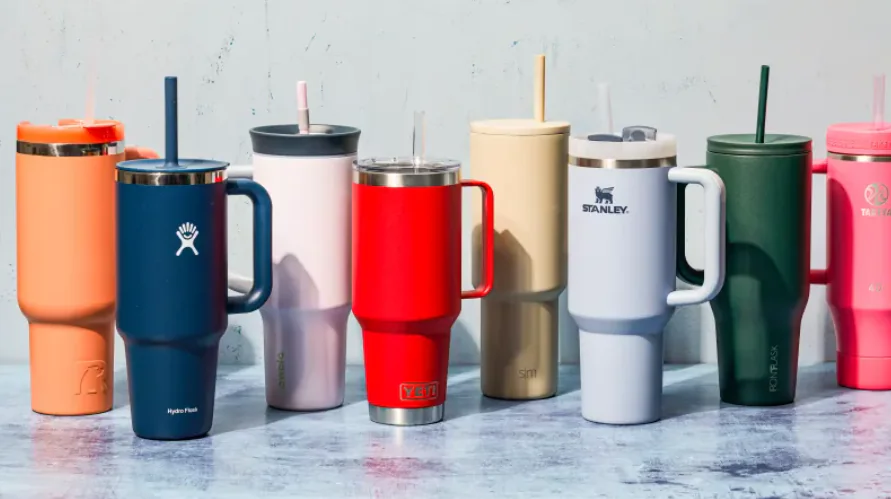
As global consumers prioritize wellness and daily hydration, importers are seeing a clear shift toward larger and more functional drinkware. High-capacity bottles are no longer just a fitness trend—they’ve become a must-have for offices, travelers, and outdoor users. This change is creating new product opportunities for wholesalers and private-label brands looking to expand their catalog in 2026.
Bigger bottles mean stronger sales. The popularity of 40 oz and 64 oz sizes reflects a growing preference for fewer refills and better temperature retention. For overseas buyers, this also means higher perceived value and better margins per unit. Factories in China are responding with new molds, ergonomic handles, and leak-proof lids designed specifically for bulk export. Choosing the right supplier with reliable production capacity can help importers secure steady inventory for these fast-moving models.
Smart drinkware is another emerging niche worth watching. Products featuring digital temperature displays, hydration tracking, or USB charging are now being offered by select Chinese manufacturers. Though still a developing category, these innovations attract younger customers and differentiate brands in competitive retail spaces. Importers that start early with OEM or ODM smart drinkware will likely gain a first-mover advantage.
In short, bigger and smarter bottles represent more than just design upgrades—they signal where the drinkware market is heading. Retailers and sourcing agents who align with this trend now can build stronger product portfolios and position themselves ahead of the curve in the coming year.
| Drinkware Trend | Key Features | Target Consumers | Opportunities for Importers |
| Large-Capacity Bottles (40–64 oz) | Long insulation, ergonomic handles, wide-mouth lids | Office workers, gym users, travelers | High retail value per unit; stable demand; strong export volume |
| Smart Drinkware | Temperature display, hydration tracking, app connectivity | Tech-savvy and younger buyers | Early-entry advantage; strong differentiation; OEM/ODM potential |
| Multi-Purpose Tumblers | Hot & cold use, straw lids, easy cleaning design | Commuters, families, students | Broad customer base; repeat orders for retailers |
| Portable & Lightweight Bottles | Slim design, leak-proof caps, compact sizes | Students, women, on-the-go users | Good for promotional gifts and online retail bundles |
| Eco-Smart Hybrids | Combine smart tech with sustainable materials | Green lifestyle audiences | Fits eco-conscious branding; suitable for premium positioning |
4. Why Smart and Multi-Functional Drinkware Sells Fast
The drinkware industry in 2026 is evolving beyond aesthetics and insulation. As technology becomes more accessible and consumers seek greater convenience, the demand for smart and multi-purpose designs is growing rapidly. For importers, this means an opportunity to offer products that combine innovation, usability, and lifestyle appeal—all in one.
4.1 Technology Meets Everyday Use
Smart drinkware is no longer just a futuristic concept. It’s now part of the mainstream market. Bottles with digital temperature displays, UV self-cleaning systems, or hydration reminder functions are gaining traction in both online and offline retail channels. These products appeal to tech-oriented and health-conscious users who want functionality that supports their routines. As production costs continue to drop, smart bottles are becoming affordable options for bulk buyers and private-label brands alike.
4.2 Functional Upgrades That Add Value
Beyond technology, multifunctional features are becoming a key selling point. Many modern bottles now include built-in tea strainers, detachable handles, dual lids for hot and cold drinks, or hidden compartments for supplements. These designs help brands differentiate themselves in competitive markets and allow importers to offer products with higher perceived value. For end users, the convenience of one product serving multiple needs makes it easier to justify a higher price point.
4.3 OEM & ODM Opportunities for Importers
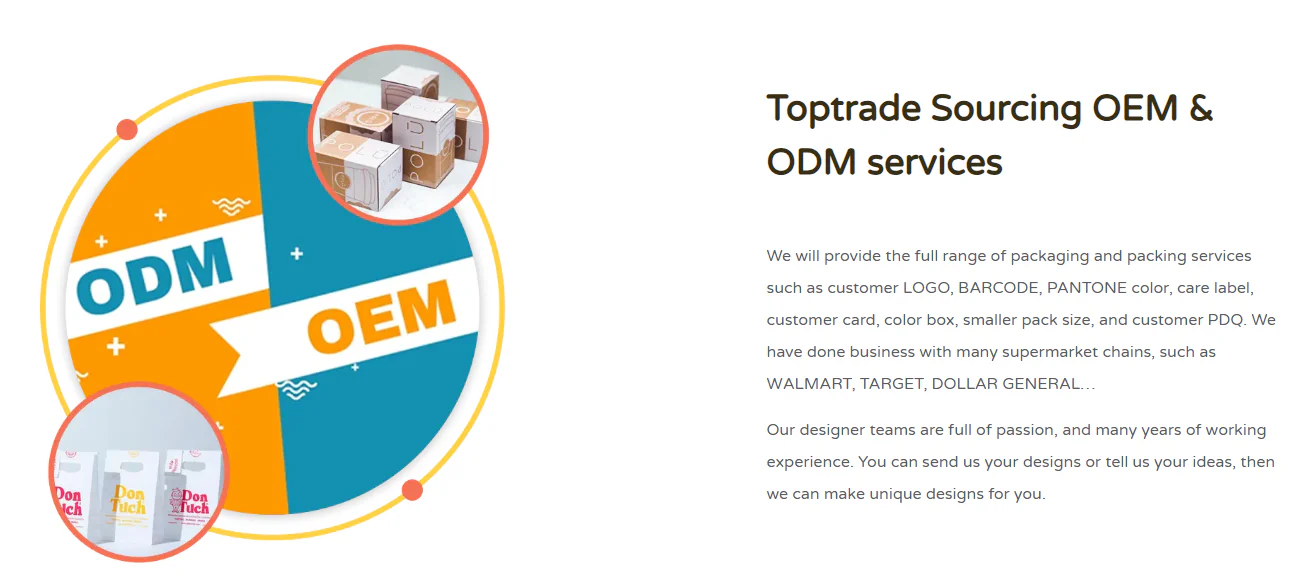
Smart and multi-purpose drinkware aligns perfectly with the strengths of Chinese manufacturers. Many suppliers already provide OEM and ODM options that allow for full customization—from electronic modules and battery safety to laser logos, packaging, and color matching. Importers who collaborate early with such suppliers can tailor designs for specific audiences, such as fitness brands, corporate gifting, or travel markets. Building a reliable partnership also ensures compliance with CE, FCC, or RoHS standards when exporting tech-integrated products.
4.4 A Trend That’s Here to Stay
While some may see smart drinkware as a passing trend, its steady growth suggests otherwise. The blend of practicality and innovation is reshaping consumer expectations. Buyers now expect more from a bottle than just insulation—they want interaction, convenience, and efficiency. For wholesalers and sourcing agents, staying ahead of this curve means selecting manufacturers that invest in R&D and can consistently deliver innovative, export-ready designs.
5. Personalized and Aesthetic Drinkware Trends
As the drinkware market matures, buyers are paying attention not only to function but also to how products look and feel. The post-Stanley era is defined by a new wave of drinkware that combines personalization, minimalist aesthetics, and lifestyle-driven branding. This blend of design and identity is shaping the next major opportunity for importers and retailers.
5.1 Simplicity That Sells
Minimalist designs continue to dominate the market because they offer universal appeal. Clean shapes, muted color tones, and subtle finishes make drinkware adaptable for both home and office use. For retailers, minimalist styles reduce inventory risk—these products can easily match seasonal packaging or be rebranded for private labels.
5.2 Personalization and Brand Identity
Customization has evolved from printing logos to offering personalized user experiences. Drinkware manufacturers now support full-color printing, gradient coatings, and laser engraving. Retailers can order small-batch customized bottles to test new trends or run limited-edition collaborations. Personalized packaging and storytelling—such as “designed for your daily hustle” or “made for mindful moments”—enhance emotional engagement and increase customer retention.
5.3 Design That Matches Lifestyles
Modern drinkware design often reflects specific lifestyles: sleek stainless-steel mugs for office professionals, pastel tumblers for fashion-conscious users, or adventure-grade bottles for outdoor fans. Aligning product design with lifestyle identity helps retailers segment their market and connect with niche audiences.
5.4 Leading Drinkware Brands and Their Manufacturing Origins
| Brand | Design Style | Core Product Types | Main Manufacturing Countries | Notes |
| Stanley | Heritage Utility | Vacuum tumblers, mugs, bottles | China, Thailand | Most modern Stanley products are made in China; some insulated models in Thailand. |
| Hydro Flask | Outdoor Minimalism | Insulated stainless-steel bottles | China | Owned by Helen of Troy; major OEM production partners based in China’s Zhejiang region. |
| YETI | Rugged Premium | Coolers, mugs, tumblers | China, Philippines | Core stainless-steel items sourced from Asia; final assembly and QC in the U.S. |
| S’well | Urban Elegance | Sleek bottles, travel tumblers | China | Partners with select factories focusing on eco-friendly coatings and packaging. |
| Simple Modern | Everyday Style | Bottles, tumblers, food jars | China | Production primarily in Zhejiang and Guangdong; brand known for affordable customization. |
| Contigo | Functional Smart Design | Auto-seal bottles, travel mugs | China, Malaysia | Parent company Newell Brands manages multi-region sourcing. |
| Thermos | Classic & Reliable | Insulated bottles, lunch containers | Malaysia, China, Japan | Long-established Asian production network. |
| CamelBak | Active & Adventure | Hydration packs, bottles | China, Philippines, Mexico | Expanding sustainable manufacturing and BPA-free materials. |
| Corkcicle | Trendy & Eco-Chic | Triple-insulated drinkware | China | Focused on stylish colors and gift packaging. |
| Takeya | Functional Minimalism | Water bottles, tumblers | China, Vietnam | Japanese brand design with Asian OEM manufacturing. |
📦 Insight for Retailers and Importers:
Most global drinkware brands rely heavily on Chinese OEM/ODM manufacturers, particularly in Zhejiang (e.g., Yongkang, Ningbo, Jinhua) and Guangdong (e.g., Foshan, Jiangmen). These regions specialize in stainless-steel vacuum tumblers, powder coating, and packaging customization — making them ideal for private-label or white-label production.
Conclusion: Where the Drinkware Market Goes Next
The drinkware industry is entering a new phase defined by design, personalization, and purpose. Consumers are seeking products that fit seamlessly into their daily routines — whether that means a minimalist bottle for the office, a rugged tumbler for travel, or a stylish cup that reflects personal identity. For importers and retailers, this means staying alert to both aesthetic direction and supply chain evolution.
The next best-selling product won’t be defined by price alone. It will combine eco-friendly materials, functional innovation, and a strong lifestyle story. Buyers who understand these trends — and partner with flexible, design-capable factories — will be best positioned to ride the post-Stanley wave.
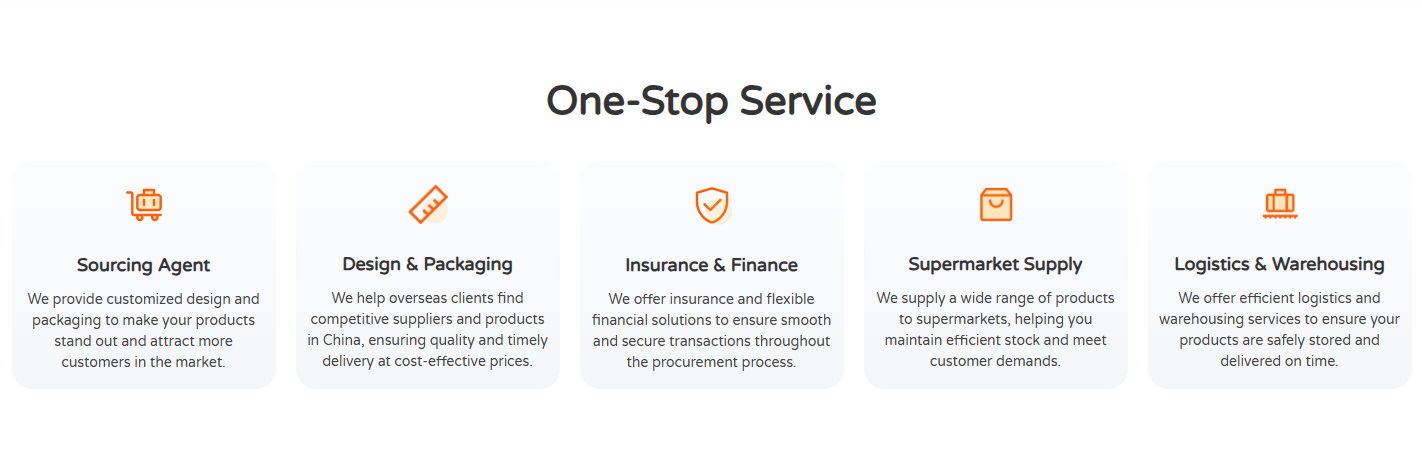
At TopTrade, we help global retailers and brands source high-quality wholesale drinkware directly from trusted Chinese manufacturers. Our team manages every step — from supplier selection and OEM customization to quality inspection and shipment tracking — ensuring your next product line matches both trend and performance expectations.
🚀 Looking to develop your own drinkware brand or expand your wholesale collection?
Contact TopTrade today to discuss your next sourcing project and explore the latest drinkware innovations from China’s top factories.

我负责网站的日常运营和内容管理。我的工作重点是优化用户体验、提升网站性能,并确保客户能够轻松找到所需的产品和服务。我与采购和客户服务团队紧密合作,确保网站内容及时更新,提供可靠的信息、清晰的产品详情和实用的资源。我的目标是使我们的平台不仅成为一个商业工具,更成为国际买家的宝贵指南。