



In today’s hyper-competitive global market, small businesses are under increasing pressure to deliver quality products at affordable prices—quickly. One of the most effective strategies to achieve this is by sourcing from a China supplier. With its vast manufacturing infrastructure, diverse product range, and cost-effective solutions, China has become the go-to destination for businesses aiming to scale affordably and efficiently.
However, for first-time importers, navigating the world of China wholesale suppliers, Chinese factories, and platforms like Alibaba can feel overwhelming. What are the risks? How do you verify a supplier? What’s the right way to negotiate? This comprehensive guide is tailored specifically for small business owners and new importers seeking to establish a reliable supply chain and grow their business by importing from China.
Whether you’re considering dropshipping from China, looking for China small MOQ options, or debating between a trading company and a manufacturer, this article will equip you with the insights, tools, and confidence needed to find the best China supplier for your unique needs.
1.Why Small Businesses Should Consider a China Supplier
1.1 Cost Advantages and Product Variety
For small businesses trying to stay competitive in a global marketplace, choosing a reliable China supplier can be a game-changer. One of the most compelling reasons businesses look to China is the significant cost advantage. Lower labor costs, large-scale production, and access to raw materials allow Chinese factories to offer competitive pricing that is hard to beat. This is particularly important for startups and SMEs aiming to manage tight budgets.
In addition to cost efficiency, China wholesale suppliers offer an enormous range of product categories. From electronics and textiles to beauty tools and homeware, you can source virtually any consumer good from China. This product variety empowers small businesses to test multiple product lines without the need for large upfront investments.
By working with a China supplier, you also gain access to the latest trends and innovations. Many Chinese factories are quick to adopt new manufacturing technologies and offer customizable options to suit niche markets. This flexibility makes importing from China especially valuable for retailers wanting to differentiate their brand.
1.2 Competitive Edge in the Global Market
The strategic decision to source from a China supplier is not just about affordability—it also strengthens your business competitiveness. By leveraging the high production capacity and efficiency of a Chinese factory, small businesses can quickly scale up when demand increases.
Moreover, many China wholesale suppliers offer private labeling and OEM/ODM services, which are critical for businesses seeking to build brand identity. Whether you’re in fashion, electronics, or dropshipping from China, having a flexible supplier can be the key to standing out in a saturated market.
Small businesses that tap into China’s well-developed manufacturing ecosystem gain not only a pricing advantage but also speed-to-market benefits. The ability to adapt quickly to market trends, fulfill seasonal demands, or replenish hot-selling items gives you a serious edge over competitors.
In conclusion, partnering with the right China supplier allows you to minimize costs, expand product offerings, and improve operational agility—all essential for long-term success in international trade.

2. Where Do Chinese Suppliers Promote Their Products?
2.1 Top Online Platforms Used by China Suppliers
In the digital age, most China suppliers showcase their products on major B2B platforms. The most recognized among these is Alibaba. However, a growing number of suppliers also utilize platforms like Made-in-China, Global Sources, and DHgate. These websites serve as comprehensive directories of Chinese factories and China wholesale suppliers, allowing buyers to search, compare, and initiate contact.
For first-time importers, Alibaba is often the starting point. But understanding the difference between Alibaba vs factory is crucial. Many listings on Alibaba are actually trading companies, not the actual manufacturers. This can lead to inflated pricing and limited control over the production process. By sourcing directly from a Chinese factory, you cut out the middleman and gain better transparency.
Another platform gaining traction is 1688.com, which is the Chinese-language version of Alibaba, targeted at the domestic market. Although navigating this site requires language support, it often reveals lower prices and more authentic manufacturers.
2.2 Trade Shows and Sourcing Fairs in China
Beyond online platforms, many China suppliers participate in trade fairs like the Canton Fair, Yiwu Fair, and Global Sources Expo. These events are invaluable for building real-world relationships, verifying supplier credentials, and inspecting product quality firsthand.
Trade shows also allow you to evaluate multiple China wholesale suppliers within a few days, accelerating the decision-making process. You can compare offerings, discuss customization needs, and negotiate MOQ face-to-face.
Attending these fairs provides insight into emerging product trends and innovations, which is particularly beneficial if you’re dropshipping from China and want to be early to market.
To maximize sourcing efforts, combine both online research and offline visits. This hybrid approach ensures you connect with genuine, capable China suppliers and not just resellers.

3. How to Find Reliable China Suppliers as a First-Time Importer
3.1 Recommended Sourcing Platforms for Beginners
Finding a reliable China supplier may seem overwhelming, but with the right approach and tools, it becomes manageable. Beginners should start with vetted platforms such as Alibaba, Made-in-China, and Global Sources. These marketplaces offer ratings, certifications, and trade assurance services that protect first-time buyers.
When selecting a China wholesale supplier, filter by “Gold Supplier” or “Verified Supplier” status. These markers indicate that the supplier has been vetted by the platform or third-party verification companies.
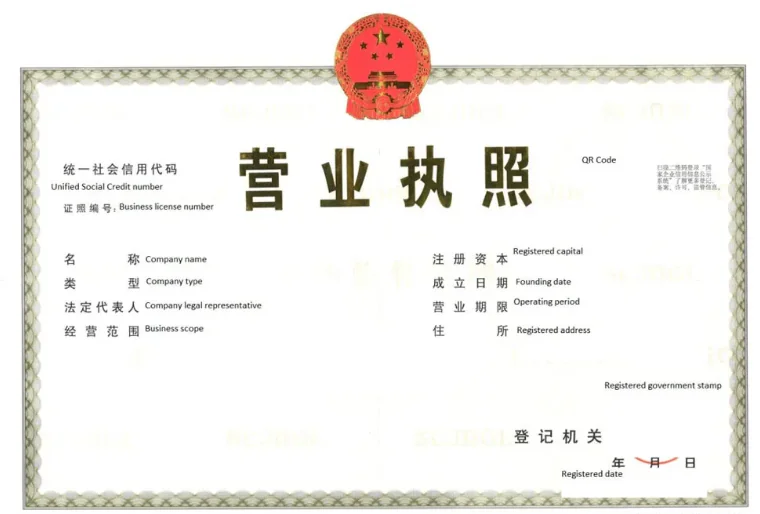
It’s also important to ask the right questions: Are you a manufacturer or a trading company? Can you share your business license? Do you support small orders? These inquiries help distinguish real Chinese factories from intermediaries.
A growing trend among small businesses is to search for china small MOQ suppliers. These are vendors that are open to lower minimum order quantities—ideal for testing products without excessive risk.
3.2 Common Red Flags and How to Avoid Scams
Despite the advantages, sourcing from a China supplier carries risks. Watch out for vague communication, inconsistent pricing, and a lack of verifiable business documents. Scams often appear as unrealistically low prices or aggressive payment demands upfront.
Always request samples before placing a bulk order. This allows you to test product quality and supplier responsiveness. It’s also wise to run a background check via the company’s business license and cross-reference factory addresses using Google Maps or third-party inspection services.
Some suppliers will claim to be manufacturers when they are not. The best way to confirm their status is by conducting a video factory tour or using third-party auditing services.
Trustworthy China suppliers will have no issue providing certifications like ISO, CE, or RoHS, especially for industries like electronics or health & beauty.
With the right precautions and due diligence, you can build long-term relationships with dependable China suppliers and ensure a smooth import experience.

4. What’s the Right Way to Communicate with a China Supplier?
4.1 Cultural Tips for Better Negotiation
Effective communication with a China supplier is crucial for successful cooperation, especially for small businesses navigating their first international transaction. While English is commonly used in business settings, understanding Chinese business culture can significantly improve your negotiation outcomes.
Chinese suppliers often value long-term relationships over short-term gains. Politeness, patience, and respect go a long way. Avoid being too direct or aggressive; instead, focus on building rapport and mutual understanding. Recognize the importance of “guanxi”—a term that refers to interpersonal connections and trust, which are highly influential in Chinese business.
Always be clear and precise with your product specifications, timelines, and expectations. Misunderstandings often occur due to vague communication. Including detailed product drawings, reference photos, and written standards helps avoid errors and delays.
Negotiation with a China supplier should be viewed as a partnership. If you’re seeking china small MOQ or product customization, be transparent about your goals and future order potential. A cooperative tone opens more doors than a confrontational one.
4.2 Tools and Channels to Use for Smooth Communication
For fast, reliable communication, Chinese suppliers typically use tools like WeChat, WhatsApp, and Alibaba’s internal messaging system. While email is useful for formal documentation, these instant messaging platforms allow for quicker clarification, real-time feedback, and stronger relationship building.
When working with a China wholesale supplier, use consistent communication methods and schedule regular check-ins. Set up shared folders for files, create product checklists, and confirm changes in writing. Language barriers can lead to mistakes, so repetition and confirmation are key.
Using project management tools like Trello or Notion for larger orders is increasingly common. These platforms help both parties stay organized and track progress.
In essence, building trust and communication efficiency with your China supplier is just as important as the sourcing itself. Smooth, professional interactions can determine whether your import experience is seamless or stressful.
5. Can You Negotiate MOQ with China Suppliers?
5.1 MOQ Meaning and How It Impacts Small Orders
MOQ, or Minimum Order Quantity, refers to the smallest amount of product a China supplier is willing to manufacture or sell per order. For small businesses or new importers, high MOQs can be a significant entry barrier.
Understanding MOQ is crucial when working with a Chinese factory. High MOQs are usually tied to production efficiency, raw material procurement, and factory operation costs. However, not all suppliers are rigid. In many cases, you can find china small MOQ suppliers who cater specifically to startups and niche markets.
Keep in mind that MOQs vary based on product type, customization level, and supplier scale. Generic products usually have lower MOQs, while custom-branded or OEM items often require higher quantities.
5.2 Practical Tips to Lower the MOQ
Negotiating MOQ with your China supplier is often possible, especially if you approach it strategically. Here are some tips:
Bundle Products: Ask if you can mix different colors, styles, or models to meet the MOQ.
Offer Trial Orders: Present your initial order as a test batch, with the promise of scaling if successful.
Share Long-Term Vision: Let the supplier know you’re planning future business growth. Suppliers often accept lower MOQs for customers with repeat potential.
Be Flexible with Specs: Simplifying packaging or removing branding can lower production costs and MOQ.
If negotiation isn’t successful, consider working with a China wholesale supplier that specializes in low-volume orders or explore dropshipping from China, where inventory investment is minimal.
Ultimately, clear communication and mutual compromise can help you secure favorable terms with your China supplier, even on smaller order quantities.

6. Should You Choose a Factory or a Trading Company?
6.1 Pros and Cons of Chinese Factories vs Trading Companies
One of the most critical decisions when sourcing from a China supplier is whether to work directly with a Chinese factory or go through a trading company. Each option has distinct advantages and drawbacks depending on your business goals.
Chinese factories typically offer better pricing, more transparency, and greater control over the production process. This is especially beneficial if you’re looking to develop a unique product or maintain strict quality standards. Working directly with a factory also speeds up communication and minimizes the risk of misinterpretation.
On the other hand, trading companies can simplify the sourcing process for newcomers. They often represent multiple factories and are more experienced in dealing with international clients. They can also help consolidate orders from different manufacturers, making them a good choice for small businesses exploring various product lines or dropshipping from China.
However, trading companies typically charge higher prices and offer less flexibility for customization. The key is to align your choice with your specific needs. If your goal is product innovation or long-term cost savings, partnering with a Chinese factory may be the better route. If you prioritize convenience and faster transactions, a trading company could be more suitable.
6.2 How to Identify Who You’re Dealing With
Distinguishing between a China supplier that’s a factory or a trading company is vital. Ask direct questions during initial discussions: Do you own the production line? Can I visit your factory? Can you provide photos or videos of your facility?
Check their business license—manufacturers will typically have the word “factory” or “manufacturer” in the name. Another effective method is conducting a third-party factory audit or video inspection.
Also, evaluate how much customization they offer. Chinese factories often accept unique designs or molds, while trading companies usually deal in existing products with limited modification options.
Whether you choose a China wholesale supplier that is a factory or a trading company, verifying their authenticity is essential to building a secure and reliable partnership.
7. Shipping, Logistics, and Import Regulations You Should Know
7.1 Understanding Incoterms and Freight Options
Shipping is one of the most important—and complex—steps in working with a China supplier. For small businesses, understanding international shipping terms (Incoterms) such as FOB, EXW, and CIF is essential. These terms define the responsibilities and costs split between you and the supplier.
When working with a China wholesale supplier, FOB (Free On Board) is often the most balanced option. The supplier handles all costs until the goods are loaded onto the shipping vessel. After that, the buyer assumes responsibility. EXW (Ex Works) puts most responsibility on the buyer, while CIF (Cost, Insurance, and Freight) includes freight and insurance to your port.
Your freight options include:
Air Freight: Faster but more expensive. Suitable for high-value or urgent shipments.
Sea Freight: More economical for large volumes but requires longer lead times.
Rail Freight: A growing middle-ground option for shipments between China and Europe.
Don’t forget to plan for customs clearance and last-mile delivery in your own country. Understanding duties, taxes, and compliance rules is crucial for smooth imports.
7.2 Import Documentation and Compliance Tips
Importing from China requires proper documentation and adherence to import regulations. A trustworthy China supplier should help provide key documents such as:
Commercial Invoice
Packing List
Bill of Lading or Airway Bill
Certificate of Origin
Relevant certifications (CE, RoHS, FDA, etc.)
Work with a customs broker or freight forwarder to ensure smooth entry into your country. Keep track of product HS codes and understand if your product category is subject to tariffs or restrictions.
Whether you’re sourcing from a Chinese factory or using dropshipping from China, being prepared on the logistics front protects your margins and ensures timely delivery.

8. Building Long-Term Success with Your China Supplier
8.1 Establishing Trust and Repeat Orders
The real value of sourcing from a China supplier lies in long-term partnerships. Once you’ve vetted your supplier and completed successful orders, aim to build a relationship that supports your business growth. This can lead to better pricing, priority production slots, and favorable payment terms over time.
Repeat orders demonstrate stability and trust, which are highly valued by both Chinese factories and China wholesale suppliers. Share your business vision, sales results, and forecasts to keep the supplier invested in your success.
8.2 Staying Agile with Market Trends
The global market evolves quickly. Regularly revisit your product line and sourcing strategy. Choose a China supplier that is agile—able to suggest product improvements, introduce trending items, and accommodate small production runs.
Stay connected to industry updates, attend trade shows, and monitor platforms like Alibaba to stay ahead of competitors. Use insights from each import cycle to optimize your sourcing approach.
A strong, transparent relationship with your China supplier is not just a supply chain solution—it’s a strategic asset. Whether you’re managing your own inventory or dropshipping from China, treat your supplier like a partner, not just a vendor.
In summary, consistent communication, mutual growth planning, and market adaptability are the keys to long-term success when working with China suppliers.

Conclusion:
Sourcing from a China supplier is no longer reserved for large corporations. Thanks to digital platforms, sourcing agents, and trade shows, even small businesses can tap into the massive potential of Chinese factories and China wholesale suppliers. With the right approach—understanding payment methods, negotiating MOQs, vetting suppliers, and possibly hiring a trusted agent—you can minimize risk while maximizing opportunity.
Remember, your first order is just the beginning. Establishing a long-term, mutually beneficial relationship with a trustworthy China supplier can transform your business, boost margins, and open up new product lines that set you apart in your market.
If you’re ready to take the next step or need personalized guidance on your sourcing journey, contact us today. Our team of professionals is here to help you connect with reliable suppliers, manage the import process, and grow your business with confidence.
Let’s turn your vision into a global success—starting with the right China supplier.